
Benefits of Rigid Flex PCBs in Weight Reduction for Smart Devices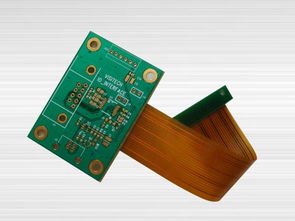
In the ever-evolving world of smart devices, weight reduction is a key consideration for manufacturers looking to create sleek, portable products that are easy to carry and use. One way that companies are achieving this goal is through the use of rigid flex PCBs, which eliminate the need for additional connectors and cables, ultimately reducing the overall weight of the device.
Rigid flex PCBs are a hybrid of traditional rigid PCBs and flexible PCBs, combining the best of both worlds to create a versatile and lightweight solution for electronic devices. By integrating the rigid and flexible portions of the PCB into a single unit, manufacturers can eliminate the need for bulky connectors and cables that add unnecessary weight to the device.
One of the main benefits of using rigid flex PCBs in smart devices is the reduction in weight that they offer. By eliminating the need for additional connectors and cables, manufacturers can create devices that are lighter and more portable, making them easier for consumers to carry and use on the go. This weight reduction is particularly important in devices like smartphones and tablets, where portability is a key selling point for consumers.
In addition to reducing weight, rigid flex PCBs also offer other benefits that contribute to the overall performance and durability of smart devices. Because they are a single, integrated unit, rigid flex PCBs are less prone to mechanical failures and signal interference than traditional PCBs with separate connectors and cables. This can help to improve the reliability and longevity of the device, ensuring that it continues to perform at its best over time.
Furthermore, rigid flex PCBs are also more resistant to environmental factors like moisture and temperature fluctuations, making them ideal for use in a wide range of smart devices. This added durability can help to extend the lifespan of the device and reduce the need for costly repairs or replacements, ultimately saving consumers time and money in the long run.
Overall, the use of rigid flex PCBs in smart devices offers a range of benefits, from weight reduction to improved performance and durability. By eliminating the need for additional connectors and cables, manufacturers can create devices that are lighter, more reliable, and more resistant to environmental factors, ultimately providing consumers with a better user experience.
As the demand for smaller, lighter, and more portable smart devices continues to grow, the use of rigid flex PCBs is likely to become increasingly common in the electronics industry. By taking advantage of the benefits that these innovative PCBs offer, manufacturers can create products that are not only more convenient for consumers to use, but also more reliable and durable in the long run.