
Benefits of Using Rigid Flex PCBs in Electronic Devices
In the ever-evolving world of electronics, the demand for smaller, lighter, and more durable devices continues to grow.
As a result, manufacturers are constantly seeking innovative solutions to meet these requirements.
One such solution that has gained popularity in recent years is the use of rigid flex PCBs in electronic devices.
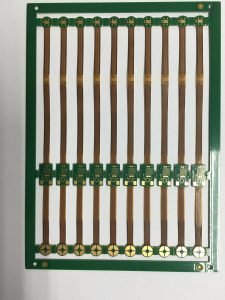
Rigid flex PCBs, also known as rigid-flexible printed circuit boards, combine the best of both rigid and flexible PCBs into a single unit.
These boards consist of multiple layers of flexible circuit substrates attached to one or more rigid boards, allowing for increased design flexibility and reliability. This unique construction offers a number of benefits that make rigid flex PCBs an attractive choice for a wide range of electronic applications.
One of the key advantages of using rigid flex PCBs is their ability to reduce the overall size and weight of electronic devices.
By eliminating the need for bulky connectors and cables, rigid flex PCBs enable designers to create more compact and lightweight products.
This is particularly important in industries such as aerospace, medical devices, and consumer electronics, where space constraints are a major consideration.
In addition to their space-saving benefits, rigid flex PCBs also offer improved reliability compared to traditional PCBs.
The flexible substrates used in rigid flex PCBs are more resistant to mechanical stress and thermal cycling, making them less prone to failure due to bending or vibration. This increased durability can help extend the lifespan of electronic devices and reduce the need for costly repairs or replacements.
Furthermore, the unique construction of rigid flex PCBs allows for more complex and innovative designs.
Designers have the flexibility to incorporate multiple layers, intricate shapes, and 3D configurations, enabling them to create products that would be impossible with traditional PCBs. This level of design freedom opens up a world of possibilities for creating cutting-edge electronic devices that push the boundaries of what is possible.
Another benefit of using rigid flex PCBs is their cost-effectiveness. While the initial manufacturing costs of rigid flex PCBs may be higher than traditional PCBs, the overall savings in terms of reduced assembly time, lower material costs, and increased reliability can result in long-term cost savings.
Additionally, the ability to create smaller and more efficient devices can lead to reduced energy consumption and lower operating costs.
In conclusion, the use of rigid flex PCBs in modern electronics offers a wide range of benefits that make them an attractive choice for designers and manufacturers. From space-saving advantages to improved reliability and design flexibility, rigid flex PCBs have the potential to revolutionize the way electronic devices are created. As technology continues to advance, the demand for smaller, lighter, and more durable devices will only continue to grow, making rigid flex PCBs an essential component in the future of electronics.