
Exploring the Benefits of Ultra-Thin Flexible Substrates in Rigid-Flex Design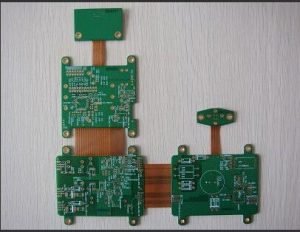
Flexible electronics have revolutionized the way we think about design and functionality in electronic devices.
One of the key components that enable this innovation is the use of ultra-thin flexible substrates.
These substrates are pushing the limits of rigid-flex design, allowing for greater flexibility, durability, and performance in a wide range of applications.
One of the primary benefits of using ultra-thin flexible substrates in rigid-flex design is their ability to conform to complex shapes and contours.
Traditional rigid substrates are limited in their flexibility, making it difficult to design devices that need to bend or flex.
Ultra-thin flexible substrates, on the other hand, can be easily molded to fit the shape of the device, allowing for greater design freedom and versatility.
In addition to their flexibility, ultra-thin flexible substrates also offer improved durability and reliability.
These substrates are typically made from materials that are resistant to bending, twisting, and stretching, making them ideal for use in devices that need to withstand harsh conditions or frequent use.
This increased durability can help to extend the lifespan of electronic devices and reduce the need for costly repairs or replacements.
Another key benefit of using ultra-thin flexible substrates in rigid-flex design is their ability to improve performance.
These substrates are often thinner and lighter than traditional rigid substrates, which can help to reduce the overall weight and size of the device.
This can lead to improved energy efficiency, faster processing speeds, and better overall performance.
Furthermore, ultra-thin flexible substrates can also help to reduce costs in the manufacturing process.
These substrates are typically easier to work with and require less material than traditional rigid substrates, which can help to lower production costs and increase efficiency.
Additionally, the flexibility of these substrates can help to simplify the assembly process, reducing the time and labor required to manufacture electronic devices.
Overall, the benefits of using ultra-thin flexible substrates in rigid-flex design are clear.
These substrates offer greater flexibility, durability, and performance, while also helping to reduce costs and improve efficiency in the manufacturing process.
As technology continues to advance, the use of ultra-thin flexible substrates is likely to become even more prevalent in a wide range of electronic devices.
In conclusion, ultra-thin flexible substrates are pushing the limits of rigid-flex design, enabling greater flexibility, durability, and performance in electronic devices.
By taking advantage of the benefits of these substrates, designers and manufacturers can create innovative and reliable products that meet the demands of today’s fast-paced technology landscape.