
Benefits of Using Rigid Flex PCBs in Electronic Devices
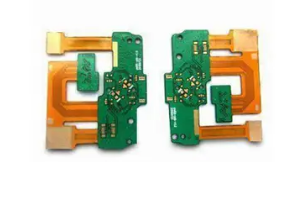
Rigid flex PCBs, or printed circuit boards, are a crucial component in many electronic devices.They offer a unique combination of flexibility and rigidity, making them ideal for applications where space is limited or where the board needs to be bent or folded. There are several types of rigid flex PCBs available, each with its own set of benefits and applications.
One common type of rigid flex PCB is the single-sided board. This type of board consists of a single layer of flexible material with a rigid layer attached to one side. Single-sided rigid flex PCBs are often used in applications where space is limited, such as in wearable devices or medical implants.
They offer a high level of flexibility while still providing the necessary rigidity for mounting components.
Another type of rigid flex PCB is the double-sided board. This type of board consists of two layers of flexible material with a rigid layer sandwiched between them. Double-sided rigid flex PCBs are often used in applications where a higher level of complexity is required, such as in smartphones or tablets.
They offer increased flexibility and the ability to mount components on both sides of the board.
A third type of rigid flex PCB is the multi-layer board.
This type of board consists of multiple layers of flexible material with rigid layers interspersed throughout.
Multi-layer rigid flex PCBs are often used in applications where a high level of complexity and functionality is required, such as in aerospace or military applications. They offer the highest level of flexibility and the ability to mount components on multiple layers of the board.
Each type of rigid flex PCB offers its own set of benefits and advantages.
Single-sided boards are ideal for applications where space is limited and flexibility is key.
Double-sided boards offer increased flexibility and the ability to mount components on both sides of the board.
Multi-layer boards provide the highest level of flexibility and functionality, making them ideal for complex applications.
In addition to their flexibility and rigidity, rigid flex PCBs offer several other benefits.
They are lightweight and compact, making them ideal for applications where size and weight are important factors.
They also offer improved reliability and durability compared to traditional rigid PCBs, as the flexible material helps to absorb shock and vibration.
Rigid flex PCBs are also cost-effective, as they can often replace multiple traditional PCBs in a single device.
This can help to reduce manufacturing costs and simplify the assembly process.
Additionally, rigid flex PCBs offer improved signal integrity and reduced electromagnetic interference, making them ideal for high-speed and high-frequency applications.
Overall, rigid flex PCBs offer a unique combination of flexibility, rigidity, and functionality that make them ideal for a wide range of electronic devices.
Whether you need a single-sided board for a wearable device, a double-sided board for a smartphone, or a multi-layer board for a complex aerospace application, there is a rigid flex PCB that can meet your needs. With their numerous benefits and advantages, rigid flex PCBs are sure to continue playing a crucial role in the future of electronic device design and manufacturing.