
Triboelectric Nanogenerator Embedded Rigid-Flex for Self-Powered Medical Monitors
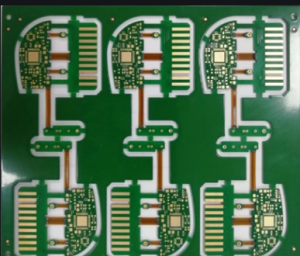
Triboelectric nanogenerator (TENG) technology is revolutionizing the field of medical monitoring by enabling self-powered devices that promise more efficient healthcare solutions.
This innovation marks a shift towards sustainable energy sources in medical technology, allowing for continuous monitoring without reliance on external power supplies. With healthcare moving increasingly toward wearable devices, the integration of TENGs into rigid-flex medical monitors is both timely and significant.
Understanding Triboelectric Nanogenerators
Triboelectric nanogenerators convert mechanical energy into electrical energy through the triboelectric effect.
This phenomenon occurs when two different materials come into contact and exchange electrons, resulting in a charge imbalance.
In a medical context, TENGs can harvest energy from the natural movements of the body, such as breathing or walking.
This energy can then power various medical sensors and monitor vital signs, eliminating the need for batteries or constant plugging in.
The Advantages of Rigid-Flex Technology
The concept of rigid-flex technology combines the benefits of rigid and flexible circuits.
By embedding TENGs into rigid-flex structures, developers ensure devices maintain robustness while being adaptable to dynamic environments, such as the human body.
Rigid-flex devices can accommodate diverse shapes and sizes, making them ideal for wearables. This versatility is crucial in medical monitors that need to conform to different parts of the body, ensuring comfort and consistent data collection.
Integration of TENG in Medical Monitors
The integration of TENGs into self-powered medical monitors is groundbreaking.
These devices can utilize the energy harvested from body movements to continuously operate without frequent recharging or battery replacements, which is essential for chronic patients or those requiring constant monitoring. Furthermore, the miniaturization of TENG technology alongside advances in materials science enable the creation of smaller and lighter devices that do not compromise performance.
Key Applications in Healthcare
- Wearable Vital Sign Monitors: TENGs can power devices that track heart rate, temperature, or blood oxygen levels.
As users move throughout their day, the monitor continuously collects data without interruption. - Smart Bandages: These monitors can provide real-time feedback on wound conditions and healing progress by embedding TENGs alongside sensors.
This self-powering feature ensures that the device remains operational during healing, allowing for more effective management of wounds. - Portable Diagnostic Devices: Medical professionals can utilize self-powered, portable diagnostics, enhancing their ability to gather data in diverse environments.
From remote healthcare settings to emergency responses, these tools offer a fear-free diagnostic process.
Challenges in Implementation
While the potential of TENGs is immense, there are challenges to address. One primary concern is the efficiency of energy conversion.
Currently, TENGs may not produce sufficient energy for high-power applications when compared to traditional power sources.
Ongoing research aims to improve energy output and refine materials used in TENG fabrication, such as optimizing the surface effects of different polymers.
Moreover, the durability and reliability of wearable devices powered by TENGs must be scrutinized.
As medical monitors often require high reliability to function effectively, ensuring that TENGs can withstand the rigors of daily wear and tear is paramount.
The Future of Self-Powered Medical Monitors
The future of healthcare technology lies in disruptive innovations like rigid-flex triboelectric nanogenerators.
As this technology matures, we can expect to see more sophisticated devices that offer not only improved functionality but also enhanced user experiences.
The integration of artificial intelligence and machine learning will further streamline data processing and make self-powered medical monitors even more valuable.
Conclusion
The integration of triboelectric nanogenerators into rigid-flex medical monitors offers a glimpse into the future of healthcare.
By harnessing natural body movements for energy, these devices promise to make medical monitoring more intuitive and less obtrusive.
With ongoing advancements in materials and design, we are poised to see a transformation in how medical data is collected and monitored, ultimately leading to significant improvements in patient care and outcomes.
As we embrace these innovations, the prospect of self-powered medical monitoring systems becoming commonplace is no longer just a dream—it is fast becoming a reality.