
Benefits of Thermal Management in Rigid-Flexible PCBs
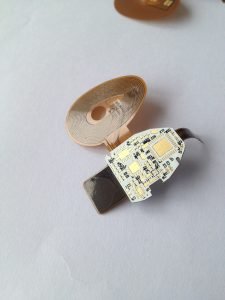
Thermal management is a critical aspect of designing printed circuit boards (PCBs) to ensure optimal performance and reliability. In rigid-flex PCBs, which combine rigid and flexible PCB materials in a single board, thermal management becomes even more important due to the unique challenges posed by the combination of different materials and form factors.
One of the key benefits of effective thermal management in rigid-flex PCBs is improved reliability. Excessive heat can degrade the performance of electronic components and lead to premature failure. By efficiently dissipating heat away from critical components, thermal management measures can help extend the lifespan of the PCB and reduce the risk of costly repairs or replacements.
In addition to enhancing reliability, proper thermal management can also improve the overall performance of a rigid-flex PCB. Heat can negatively impact the electrical properties of components, leading to signal degradation and reduced efficiency. By maintaining optimal operating temperatures, thermal management measures can help ensure that the PCB operates at peak performance levels, delivering consistent and reliable results.
Another benefit of thermal management in rigid-flex PCBs is increased design flexibility. By carefully managing heat distribution within the board, designers can optimize the layout of components and traces to maximize space utilization and improve signal integrity. This can result in more compact and efficient PCB designs that meet the specific requirements of the application while minimizing the risk of thermal issues.
Furthermore, effective thermal management can help reduce the overall cost of manufacturing rigid-flex PCBs. By implementing thermal management measures early in the design process, designers can identify potential hot spots and implement targeted solutions to address them. This proactive approach can help prevent costly redesigns or modifications later in the production process, saving both time and money.
Additionally, thermal management in rigid-flex PCBs can also enhance the safety of the board and the surrounding environment. Excessive heat can pose a fire hazard, especially in high-power applications or confined spaces. By implementing thermal management measures such as heat sinks, thermal vias, or thermal pads, designers can help dissipate heat effectively and reduce the risk of overheating and potential safety hazards.
Overall, the benefits of thermal management in rigid-flex PCBs are numerous and significant. From improving reliability and performance to increasing design flexibility and reducing manufacturing costs, effective thermal management measures can have a positive impact on the overall quality and longevity of a PCB. By prioritizing thermal management in the design process, designers can create rigid-flex PCBs that meet the demanding requirements of modern electronic applications while ensuring optimal performance and reliability.