
The Role of Rigid Flex PCBs in IoT Security and Data Integrity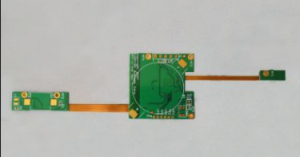
The Internet of Things (IoT) has revolutionized the way we interact with technology, allowing for seamless connectivity and automation in various aspects of our lives.
From smart homes to industrial applications, IoT devices have become an integral part of our daily routines.
However, with this increased connectivity comes the need for enhanced security measures to protect sensitive data and ensure the integrity of the information being transmitted.
One crucial component in ensuring the security and data integrity of IoT devices is the use of rigid flex PCBs.
Rigid flex PCBs combine the benefits of both rigid and flexible PCBs, offering a compact and reliable solution for connecting various components within IoT devices.
These specialized PCBs are designed to withstand the rigors of constant movement and bending, making them ideal for applications where flexibility is required.
One of the key advantages of using rigid flex PCBs in IoT devices is their ability to enhance security measures.
By integrating security features directly into the PCB design, manufacturers can create a more secure environment for data transmission and storage.
This can help prevent unauthorized access to sensitive information and protect against potential cyber threats.
In addition to security, rigid flex PCBs also play a crucial role in ensuring data integrity within IoT devices.
The compact design of these PCBs allows for more efficient signal transmission, reducing the risk of signal interference and data corruption.
This is especially important in applications where real-time data processing is required, such as in industrial automation or healthcare monitoring systems.
Furthermore, the durability of rigid flex PCBs makes them well-suited for harsh environments where traditional PCBs may fail.
By using materials that can withstand extreme temperatures, moisture, and vibration, manufacturers can ensure that IoT devices remain operational even in challenging conditions.
This reliability is essential for maintaining the integrity of data and ensuring the continuous operation of critical systems.
Another benefit of using rigid flex PCBs in IoT devices is their ability to streamline the manufacturing process.
By combining multiple PCBs into a single unit, manufacturers can reduce the overall size and weight of the device, making it more compact and portable.
This can be particularly advantageous in applications where space is limited, such as wearable technology or IoT sensors.
Overall, the role of rigid flex PCBs in IoT security and data integrity cannot be overstated.
These specialized PCBs offer a unique combination of security, reliability, and efficiency, making them an essential component in the design of IoT devices.
By incorporating rigid flex PCBs into their products, manufacturers can ensure that sensitive data is protected, signals are transmitted accurately, and devices remain operational in challenging environments.
As the IoT continues to evolve and expand, the importance of rigid flex PCBs in maintaining security and data integrity will only continue to grow.