
Benefits of Using Flex PCBs in Miniaturized Assembly Designs
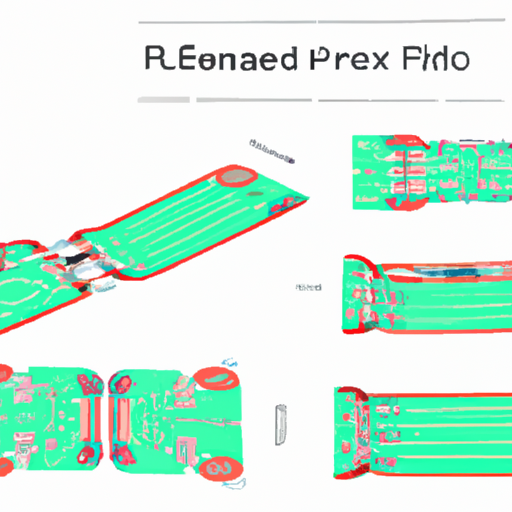
Flex PCBs, or flexible printed circuit boards, have become increasingly popular in the electronics industry due to their ability to bend and twist without breaking.
This flexibility allows for more compact and lightweight designs, making them ideal for miniaturized assembly applications. In this article,
we will explore the benefits of using flex PCBs in miniaturized assembly designs.
One of the key advantages of using flex PCBs in miniaturized assembly designs is their ability to reduce space constraints.
Traditional rigid PCBs are limited by their fixed shape and size, which can be a challenge when trying to fit them into tight spaces. Flex PCBs,
on the other hand, can be bent and folded to conform to the shape of the device, allowing for more efficient use of space.
In addition to saving space, flex PCBs also offer improved reliability.
The flexible nature of these boards reduces the risk of mechanical stress and fatigue, which can lead to premature failure in rigid PCBs.
This increased reliability is crucial in miniaturized assembly designs, where components are often packed tightly together and subjected to constant movement and vibration.
Flex PCBs also offer greater design flexibility compared to rigid PCBs. With flex PCBs, designers have the freedom to create complex, three-dimensional shapes that would be impossible with rigid boards.
This flexibility allows for more creative and innovative designs, leading to products that are not only smaller and lighter but also more aesthetically pleasing.
Another benefit of using flex PCBs in miniaturized assembly designs is their cost-effectiveness.
While flex PCBs may have a higher initial cost compared to rigid boards, the savings in space, weight, and assembly time can more than offset this expense. Additionally, the increased reliability of flex PCBs can result in lower maintenance and repair costs over the lifespan of the product.
Furthermore, flex PCBs offer improved signal integrity and electrical performance.
The flexible nature of these boards reduces signal loss and impedance mismatch, resulting in better signal quality and reduced electromagnetic interference.
This is especially important in miniaturized assembly designs, where space constraints can lead to signal degradation if not properly managed.
In conclusion, flex PCBs play a crucial role in miniaturized assembly designs by offering space-saving benefits, improved reliability, greater design flexibility, cost-effectiveness, and enhanced electrical performance. As technology continues to advance and devices become smaller and more complex, the demand for flex PCBs will only continue to grow.
By incorporating flex PCBs into their designs, manufacturers can create products that are not only smaller and lighter but also more reliable and efficient.