
Benefits of Using Flex Rigid PCB Technology in Electronic Devices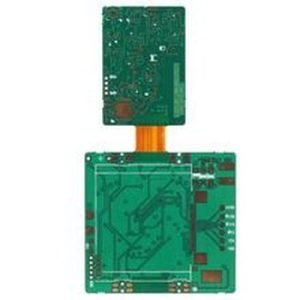
Flex rigid PCB technology has been making waves in the electronics industry, with its ability to provide a more efficient and reliable solution for electronic devices. This innovative technology combines the flexibility of a flexible PCB with the durability of a rigid PCB, offering a wide range of benefits for manufacturers and end-users alike.
One of the key benefits of using flex rigid PCB technology is its ability to reduce the overall size and weight of electronic devices.
By eliminating the need for bulky connectors and cables, manufacturers can design smaller and more compact devices without sacrificing performance.
This not only makes devices more portable and convenient for users, but also allows for more creative and innovative designs.
In addition to size and weight savings, flex rigid PCB technology also offers improved reliability and durability.
The flexible nature of the PCB allows for greater resistance to shock and vibration, making it ideal for use in rugged environments or
applications where reliability is critical. This can help to extend the lifespan of electronic devices and reduce the need for costly repairs or replacements.
Furthermore, flex rigid PCB technology enables more efficient assembly processes, as components can be mounted directly onto the flexible sections of the PCB. This eliminates the need for additional connectors and solder joints, reducing the risk of mechanical failures and improving overall performance. Additionally, the streamlined assembly process can help to reduce manufacturing costs and lead times, making it a cost-effective solution for manufacturers.
Another advantage of using flex rigid PCB technology is its ability to support complex and high-density designs.
The flexible nature of the PCB allows for greater freedom in routing traces and placing components, enabling designers
to create more intricate and compact layouts. This can be particularly beneficial for devices with limited space or those requiring multiple layers of circuitry.
Moreover, flex rigid PCB technology offers enhanced signal integrity and electromagnetic compatibility.
The rigid sections of the PCB provide a stable platform for high-speed signals, while the flexible sections help to reduce signal interference and crosstalk.
This can result in improved performance and reliability for electronic devices, especially those operating in noisy or high-frequency environments.
Overall, the benefits of using flex rigid PCB technology in electronic devices are clear. From size and weight savings to improved reliability and durability, this innovative technology offers a wide range of advantages for manufacturers and end-users alike. With the latest innovations in flex rigid PCB technology being unveiled this month, it is clear that this technology will continue to play a key role in shaping the future of the electronics industry.