
The Benefits of 5G Technology for Rigid-Flex PCB Development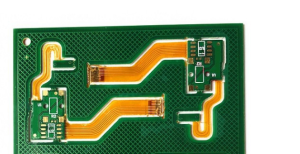
The development of 5G technology has brought about significant advancements in various industries, including the field of rigid-flex PCBs.
Rigid-flex PCBs, or printed circuit boards, are a crucial component in electronic devices, providing a stable and reliable platform for connecting various electronic components.
With the introduction of 5G technology, the demand for more efficient and high-performance rigid-flex PCBs has increased significantly.
One of the key benefits of 5G technology for rigid-flex PCB development is the increased data transfer speeds.
5G technology offers faster data transfer rates compared to its predecessors, allowing for quicker and more efficient communication between electronic components.
This increased speed is crucial for applications that require real-time data processing, such as autonomous vehicles and industrial automation systems.
By utilizing 5G technology, rigid-flex PCBs can support these high-speed data transfer requirements, ensuring optimal performance in demanding applications.
In addition to faster data transfer speeds, 5G technology also offers lower latency, or the delay between sending and receiving data.
Low latency is essential for applications that require instant responses, such as virtual reality and augmented reality systems.
Rigid-flex PCBs designed to support 5G technology can help reduce latency, providing a seamless and immersive user experience in these applications.
This improved performance can lead to increased adoption of rigid-flex PCBs in emerging technologies that rely on low latency for optimal functionality.
Furthermore, 5G technology enables greater connectivity options for rigid-flex PCBs. With the ability to support a larger number of connected devices,
5G technology opens up new possibilities for the Internet of Things (IoT) and smart devices. Rigid-flex PCBs designed for 5G technology can accommodate multiple wireless communication protocols,
such as Bluetooth, Wi-Fi, and cellular networks, allowing for seamless connectivity between devices. This enhanced connectivity is essential for IoT applications that require constant communication between devices,
such as smart homes and industrial monitoring systems.
Another benefit of 5G technology for rigid-flex PCB development is the potential for increased energy efficiency.
5G technology is designed to be more energy-efficient than previous generations of wireless technology, reducing power consumption and extending battery life in electronic devices.
Rigid-flex PCBs optimized for 5G technology can help maximize energy efficiency by minimizing power losses and optimizing signal transmission.
This improved energy efficiency is crucial for portable devices and IoT applications that rely on battery power for extended periods.
Overall, the impact of 5G technology on rigid-flex PCB development is significant, offering faster data transfer speeds, lower latency, greater connectivity options, and increased energy efficiency.
These benefits make 5G technology an essential component in the design and manufacturing of rigid-flex PCBs for a wide range of applications.
As the demand for high-performance electronic devices continues to grow, the integration of 5G technology into rigid-flex PCBs will play a crucial role in meeting the evolving needs of the electronics industry.