
Benefits of Flex Rigid PCB Technology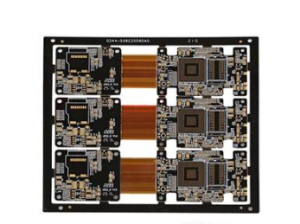
Flex rigid PCB technology has been gaining popularity in recent years due to its numerous benefits and applications in various industries.
This innovative technology combines the flexibility of a flexible PCB with the rigidity of a rigid PCB, offering a unique solution for complex electronic designs.
In this article, we will explore the latest developments in flex rigid PCB technology and discuss the benefits it offers to manufacturers and designers.
One of the key advantages of flex rigid PCB technology is its ability to reduce the overall size and weight of electronic devices.
By combining flexible and rigid sections on a single board, designers can create compact and lightweight products that are ideal for applications where space is limited. This can be particularly beneficial in industries such as aerospace, automotive, and medical devices, where size and weight constraints are critical.
Another benefit of flex rigid PCB technology is its improved reliability and durability. Traditional PCBs are prone to mechanical stress and vibration,
which can lead to solder joint failures and other reliability issues. Flex rigid PCBs, on the other hand, are designed to withstand these challenges, thanks to their combination of flexible and rigid sections. This makes them ideal for applications that require high reliability and long-term performance.
Flex rigid PCB technology also offers greater design flexibility compared to traditional PCBs. Designers can create complex layouts with multiple layers and intricate shapes, thanks to the flexibility of the board. This allows for more creative and innovative designs, leading to improved functionality and performance in electronic devices. Additionally, the ability to integrate multiple components on a single board can reduce assembly time and costs, making flex rigid PCBs a cost-effective solution for manufacturers.
In recent years, there have been several developments in flex rigid PCB technology that have further improved its performance and capabilities.
For example, advancements in materials and manufacturing processes have led to the development of thinner and more flexible boards, allowing for even greater design flexibility and miniaturization. Additionally, improvements in signal integrity and impedance control have made flex rigid PCBs suitable for high-speed and high-frequency applications, such as telecommunications and data communications.
Furthermore, the integration of advanced technologies such as 3D printing and additive manufacturing has opened up new possibilities for flex rigid PCB design. These technologies allow for the creation of complex and customized shapes that were previously impossible with traditional manufacturing methods. This has enabled designers to push the boundaries of what is possible with flex rigid PCB technology, leading to the development of innovative and cutting-edge electronic devices.
Overall, the future of flex rigid PCB technology looks promising, with continued advancements in materials, manufacturing processes, and design capabilities. As the demand for smaller, lighter, and more reliable electronic devices continues to grow, flex rigid PCBs will play an increasingly important role in meeting these requirements. Manufacturers and designers who embrace this technology will be able to stay ahead of the competition and deliver products that meet the needs of today’s fast-paced and ever-changing market.