
Benefits of Flex PCBs in Assembly Technology
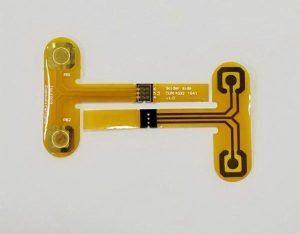
Flex PCBs, or flexible printed circuit boards, have been gaining popularity in the field of assembly technology due to their numerous benefits.
These flexible circuit boards offer a wide range of advantages over traditional rigid PCBs, making them an attractive option for many applications.
In this article, we will explore the benefits of flex PCBs in assembly technology and discuss their potential impact on the future of electronic manufacturing.
One of the key advantages of flex PCBs is their flexibility and ability to bend and twist without breaking.
This flexibility allows for greater design freedom and the ability to create more compact and lightweight electronic devices.
Flex PCBs can be bent to fit into tight spaces or irregular shapes, making them ideal for applications where space is limited. This flexibility also makes flex PCBs more durable and resistant to mechanical stress, reducing the risk of damage during assembly or use.
Another benefit of flex PCBs is their reliability and performance. Flex PCBs are less prone to failure due to vibration, shock, or thermal cycling, making them a more reliable option for critical applications. The flexible nature of these circuit boards also reduces the risk of solder joint fatigue, which can lead to premature failure in rigid PCBs. This increased reliability can result in lower maintenance costs and improved overall product performance.
Flex PCBs also offer cost savings in assembly technology. The flexibility of these circuit boards allows for simpler and more efficient assembly processes, reducing labor costs and assembly time. Flex PCBs can be easily folded or rolled, making them easier to handle and install in electronic devices.
This streamlined assembly process can lead to faster production times and lower manufacturing costs, making flex PCBs a cost-effective option for many applications.
In addition to their flexibility, reliability, and cost savings, flex PCBs also offer improved signal integrity and electrical performance.
The flexible nature of these circuit boards reduces signal loss and impedance mismatch, resulting in better signal quality and higher data transmission speeds.
This improved electrical performance can lead to better overall product performance and reliability, making flex PCBs a preferred choice for high-speed and high-frequency applications.
Overall, the benefits of flex PCBs in assembly technology are clear.
These flexible circuit boards offer greater design flexibility, improved reliability, cost savings, and enhanced electrical performance, making them a versatile and practical option for a wide range of applications.
As electronic devices continue to become smaller, lighter, and more complex, flex PCBs are likely to play an increasingly important role in the future of electronic manufacturing.
In conclusion, the future of flex PCBs in assembly technology looks bright.
With their numerous benefits and advantages over traditional rigid PCBs, flex PCBs are poised to revolutionize the way electronic devices are designed and manufactured.
As technology continues to evolve, flex PCBs will likely become an essential component in the assembly of a wide range of electronic devices, from smartphones and tablets to medical devices and automotive systems.
By embracing the flexibility, reliability, and cost savings of flex PCBs, manufacturers can stay ahead of the curve and meet the demands of an ever-changing market.