
Benefits of Using Rigid Flex PCB Technology in Electronic Devices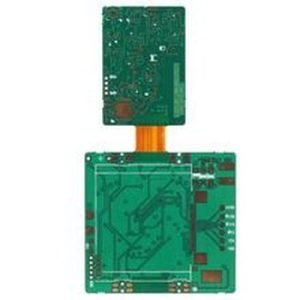
Rigid flex PCB technology has revolutionized the way electronic devices are designed and manufactured.
This innovative technology combines the benefits of rigid and flexible PCBs, offering a unique solution for complex electronic devices that require both flexibility and durability. In this article, we will explore the evolution of rigid flex PCB technology and the benefits it offers for electronic devices.
One of the key benefits of using rigid flex PCB technology is its ability to reduce the overall size and weight of electronic devices.
By combining rigid and flexible PCBs into a single unit, designers can create more compact and lightweight devices without sacrificing functionality.
This is especially important for portable electronic devices such as smartphones, tablets, and wearable technology, where space and weight are critical factors.
Another advantage of rigid flex PCB technology is its improved reliability and durability.
Traditional PCBs are prone to damage from bending, twisting, and vibration, which can lead to electrical failures and malfunctions.
Rigid flex PCBs, on the other hand, are designed to withstand these types of stresses, making them ideal for applications where the
device will be subjected to harsh environments or frequent movement.
In addition to improved reliability, rigid flex PCB technology also offers enhanced signal integrity and performance.
The combination of rigid and flexible materials allows for more precise routing of traces and components, reducing signal interference
and improving overall performance. This is particularly important for high-speed and high-frequency applications, where signal integrity
is critical for the proper functioning of the device.
Furthermore, rigid flex PCB technology offers greater design flexibility and customization options.
Designers can create complex, three-dimensional shapes and configurations that would be impossible with traditional PCBs.
This allows for more creative and innovative designs, as well as the ability to optimize the layout of components for improved performance and functionality.
Overall, the evolution of rigid flex PCB technology has had a significant impact on the electronic industry, enabling the development of smaller,
lighter, more reliable, and higher-performing devices. As technology continues to advance, we can expect to see even more innovations in rigid flex PCB technology, further pushing the boundaries of what is possible in electronic device design and manufacturing.
In conclusion, the benefits of using rigid flex PCB technology in electronic devices are clear. From improved reliability and durability to
enhanced signal integrity and performance, rigid flex PCBs offer a range of advantages that make them an ideal choice for a wide variety of applications.
As technology continues to evolve, we can expect to see even more exciting developments in rigid flex PCB technology, further cementing its place as a key enabler of innovation in the electronic industry.