
Advantages of Flex Rigid PCBs in Business Operations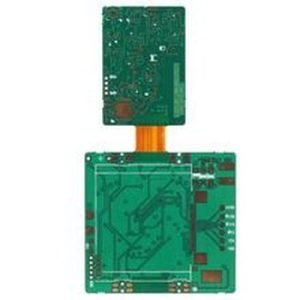
Flex rigid PCBs, also known as flexible printed circuit boards, have become increasingly popular in the electronics industry due to their numerous advantages over traditional rigid PCBs. These innovative circuit boards offer a unique combination of flexibility and rigidity, making them ideal for a wide range of applications. In this article, we will explore the business benefits of using flex rigid PCBs and how they can help industry leaders improve their operations and stay ahead of the competition.
One of the key advantages of flex rigid PCBs is their ability to reduce the overall size and weight of electronic devices.
By eliminating the need for bulky connectors and cables, flex rigid PCBs allow for more compact and lightweight designs.
This can be particularly beneficial for industries such as aerospace, automotive, and medical devices, where space and weight constraints are critical factors.
In addition to their compact size, flex rigid PCBs also offer improved reliability and durability compared to traditional rigid PCBs.
The flexible nature of these circuit boards allows them to withstand bending and twisting without compromising their performance.
This makes them ideal for applications that require frequent movement or exposure to harsh environments.
Furthermore, flex rigid PCBs can help streamline the manufacturing process and reduce production costs.
By eliminating the need for multiple PCBs and connectors, companies can simplify their assembly process and reduce the number of
components required. This not only saves time and labor but also reduces the risk of errors and defects during production.
Another significant advantage of flex rigid PCBs is their ability to improve signal integrity and reduce electromagnetic interference.
The flexible design of these circuit boards allows for tighter routing of traces, resulting in shorter signal paths and reduced signal loss.
This can lead to improved performance and reliability in electronic devices, especially in high-speed applications.
Moreover, flex rigid PCBs offer greater design flexibility compared to traditional rigid PCBs.
The ability to bend and fold these circuit boards allows for more creative and innovative designs, enabling companies to
develop unique and cutting-edge products. This can give businesses a competitive edge in the market and attract customers looking for
innovative solutions.
Overall, the business benefits of using flex rigid PCBs are clear. From reducing size and weight to improving reliability and signal integrity,
these circuit boards offer a range of advantages that can help industry leaders enhance their operations and drive success.
By incorporating flex rigid PCBs into their designs, companies can stay ahead of the competition and deliver high-quality products that
meet the demands of today’s fast-paced market.
In conclusion, flex rigid PCBs are a strategic choice for industry leaders looking to improve their business operations and
stay competitive in the electronics industry. With their compact size, improved reliability, and design flexibility, these circuit boards offer
a range of benefits that can help companies drive innovation and success. By understanding the advantages of flex rigid PCBs and
incorporating them into their designs, industry leaders can position themselves for long-term growth and profitability.