
Design Considerations for Rigid Flex PCBs
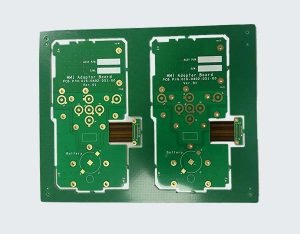
Rigid-flex PCBs are a popular choice for many electronic devices due to their flexibility and durability.
However, designing and manufacturing these boards can be a complex process that requires careful consideration of various factors.
In this article, we will provide a step-by-step guide to rigid-flex PCB manufacturing, focusing on design considerations that are crucial for ensuring the success of your project.
The first step in the manufacturing process is to carefully design the layout of your rigid-flex PCB.
This involves determining the size and shape of the board, as well as the placement of components and traces.
It is important to consider the mechanical requirements of the board, such as bending radius and flexing cycles, as well as the electrical requirements, such as signal integrity and impedance control.
Once the layout is finalized, the next step is to choose the materials for the rigid and flexible portions of the board.
Rigid-flex PCBs typically consist of multiple layers of rigid and flexible materials, such as FR4 and polyimide.
It is important to select materials that are compatible with each other and that meet the specific requirements of your project, such as temperature resistance and impedance control.
After selecting the materials, the next step is to create the circuit design for the board.
This involves placing components and routing traces on the board in a way that minimizes signal interference and ensures optimal performance.
It is important to consider the electrical properties of the materials used, as well as the mechanical constraints of the board, when designing the circuit.
Once the circuit design is complete, the next step is to create the manufacturing files for the board.
This involves generating Gerber files for the PCB layout, as well as drill files for the placement of holes and vias.
It is important to double-check these files for accuracy and completeness before sending them to the manufacturer.
After the manufacturing files are created, the next step is to choose a manufacturer for the rigid-flex PCB.
It is important to select a manufacturer with experience in producing rigid-flex boards and that has the capabilities to meet your specific requirements.
It is also important to communicate clearly with the manufacturer and provide them with all the necessary information and specifications for the board.
Once the manufacturer has received the manufacturing files and materials, they will begin the production process.
This typically involves laminating the layers of the board together, drilling holes and vias, and etching the traces.
It is important to closely monitor the manufacturing process and perform quality control checks to ensure that the board meets your specifications.
After the board has been manufactured, the final step is to test and inspect the board before assembly.
This involves checking for any defects or errors in the board, as well as verifying that it meets the electrical and mechanical requirements of the project.
It is important to conduct thorough testing and inspection to ensure the reliability and performance of the board.
In conclusion, designing and manufacturing rigid-flex PCBs requires careful consideration of various factors, from layout design to material selection to manufacturing and testing.
By following the step-by-step guide outlined in this article and working closely with experienced manufacturers, you can ensure the success of your rigid-flex PCB project.