
Advantages of State-of-the-Art Rigid-Flexible Circuitry
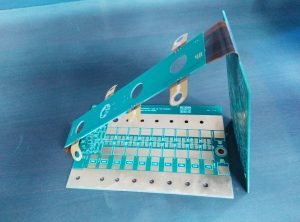
State-of-the-art rigid-flexible circuitry is a cutting-edge technology that combines the benefits of both rigid and flexible circuit boards.
This innovative approach allows for greater design flexibility, improved reliability, and enhanced performance in a wide range of electronic devices.
In this article, we will explore the advantages of state-of-the-art rigid-flexible circuitry and how it is revolutionizing the electronics industry.
One of the key advantages of state-of-the-art rigid-flexible circuitry is its ability to reduce the overall size and weight of electronic devices.
By combining rigid and flexible materials in a single circuit board, designers can create more compact and lightweight products without sacrificing functionality. This is particularly important in industries where space is limited, such as aerospace, automotive, and medical devices.
Another advantage of state-of-the-art rigid-flexible circuitry is its improved reliability.
Traditional rigid circuit boards are prone to mechanical stress and vibration, which can lead to solder joint failures and other reliability issues.
By incorporating flexible materials into the design, rigid-flexible circuitry can better withstand these external forces, resulting in a more robust and reliable product.
In addition to improved reliability, state-of-the-art rigid-flexible circuitry offers enhanced performance characteristics.
The flexibility of the circuit board allows for greater design freedom, enabling designers to create more complex and intricate layouts.
This can lead to improved signal integrity, reduced electromagnetic interference, and overall better performance in electronic devices.
Furthermore, state-of-the-art rigid-flexible circuitry can also reduce manufacturing costs and assembly time. By combining multiple functions into a single circuit board, designers can streamline the production process and eliminate the need for additional components. This not only reduces material costs but also simplifies the assembly process, resulting in faster time-to-market for new products.
Overall, state-of-the-art rigid-flexible circuitry offers a wide range of advantages for electronic device manufacturers.
From improved reliability and performance to reduced size and weight, this innovative technology is revolutionizing the way electronic devices are designed and manufactured. As the demand for smaller, lighter, and more reliable products continues to grow, rigid-flexible circuitry is poised to play a key role in shaping the future of the electronics industry.
In conclusion, state-of-the-art rigid-flexible circuitry is a game-changing technology that offers numerous advantages for electronic device manufacturers.
By combining the benefits of rigid and flexible materials, designers can create more compact, reliable, and high-performance products that meet the demands of today’s consumers. As this technology continues to evolve and improve, we can expect to see even more innovative and exciting developments in the field of electronics.