
Importance of Signal Integrity in Rigid-Flexible PCBs
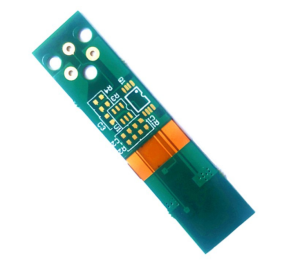
Signal integrity is a critical aspect of designing and manufacturing printed circuit boards (PCBs), especially in the case of rigid-flexible PCBs. These PCBs are a combination of rigid and flexible materials, allowing for more complex and compact designs in electronic devices. Ensuring signal integrity in rigid-flexible PCBs is crucial for maintaining the performance and reliability of the electronic system.
One of the main reasons why signal integrity is so important in rigid-flexible PCBs is the potential for signal degradation. As signals travel through the PCB, they can encounter various obstacles such as impedance mismatches, crosstalk, and reflections. These issues can lead to signal distortion, timing errors, and ultimately, system failure. By carefully designing the PCB layout and considering signal integrity principles, engineers can minimize these issues and ensure that signals reach their destination accurately and reliably.
Another reason why signal integrity is crucial in rigid-flexible PCBs is the increasing demand for high-speed and high-frequency applications. With the rise of technologies such as 5G, IoT, and autonomous vehicles, electronic devices are required to process data at faster speeds than ever before. This puts additional pressure on PCB designers to maintain signal integrity in order to meet the performance requirements of these advanced applications.
Furthermore, signal integrity plays a key role in electromagnetic compatibility (EMC) and electromagnetic interference (EMI) considerations. In a complex electronic system, signals can interfere with each other and create noise that disrupts the operation of the device. By ensuring proper signal integrity in rigid-flexible PCBs, engineers can reduce the risk of EMC and EMI issues, leading to a more reliable and robust electronic system.
To achieve good signal integrity in rigid-flexible PCBs, designers must consider a variety of factors during the design process. This includes selecting appropriate materials with the right electrical properties, minimizing signal path lengths, and optimizing signal routing to reduce impedance variations. Additionally, designers must pay attention to signal return paths, ground planes, and power distribution to ensure a clean and stable signal environment.
Simulation tools such as electromagnetic field solvers and signal integrity analysis software can also be used to predict and analyze signal behavior in rigid-flexible PCBs. By simulating signal propagation, designers can identify potential signal integrity issues early in the design phase and make necessary adjustments to improve performance.
In conclusion, signal integrity is a critical aspect of designing rigid-flexible PCBs. By ensuring proper signal integrity, engineers can maintain the performance, reliability, and EMC compliance of electronic devices. With the increasing demand for high-speed and high-frequency applications, the importance of signal integrity in rigid-flexible PCBs will only continue to grow. By following best practices and utilizing simulation tools, designers can achieve optimal signal integrity in their PCB designs and deliver high-quality electronic systems to meet the needs of today’s technology-driven world.