
Benefits of Using Rigid-Flexible PCBs in Electronic Devices
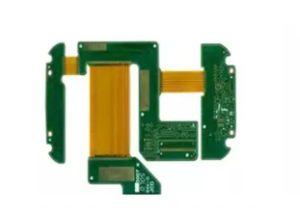
Rigid-flex PCBs, or rigid-flexible printed circuit boards, have become increasingly popular in the electronics industry due to their numerous benefits and advantages. These innovative PCBs combine the best of both rigid and flexible circuit boards, offering a unique solution for electronic devices that require both stability and flexibility. In this article, we will explore the benefits of using rigid-flex PCBs in electronic devices.
One of the key advantages of rigid-flex PCBs is their ability to reduce the overall size and weight of electronic devices. By combining rigid and flexible materials in a single board, designers can create more compact and lightweight devices without sacrificing performance or functionality. This is particularly important in modern electronics, where space is often at a premium and every millimeter counts.
In addition to their compact size, rigid-flex PCBs also offer improved reliability and durability compared to traditional rigid or flexible boards. The combination of rigid and flexible materials creates a more robust board that is less prone to damage from bending, twisting, or vibration. This makes rigid-flex PCBs ideal for applications where reliability is critical, such as medical devices, aerospace systems, and automotive electronics.
Another benefit of using rigid-flex PCBs is their ability to simplify the assembly process and reduce overall manufacturing costs. By integrating multiple PCBs into a single rigid-flex board, designers can eliminate the need for complex interconnects and connectors, reducing the number of components and solder joints required. This not only streamlines the assembly process but also improves the overall reliability of the device by reducing potential points of failure.
Furthermore, rigid-flex PCBs offer greater design flexibility and versatility compared to traditional PCBs. Designers can create complex, three-dimensional shapes and configurations that would be impossible with rigid or flexible boards alone. This allows for more creative and innovative designs, as well as improved performance and functionality in a wide range of applications.
Additionally, rigid-flex PCBs offer improved signal integrity and electrical performance compared to traditional PCBs. The combination of rigid and flexible materials helps to minimize signal loss and interference, resulting in higher-speed and more reliable connections. This is particularly important in high-frequency applications, where even small amounts of signal degradation can have a significant impact on performance.
Overall, the benefits of using rigid-flex PCBs in electronic devices are clear. From reduced size and weight to improved reliability and durability, these innovative boards offer a wide range of advantages that make them an ideal choice for a variety of applications. As technology continues to evolve and demand for smaller, more reliable devices grows, rigid-flex PCBs will undoubtedly play an increasingly important role in the electronics industry.