
Benefits of Using Rigid-Flexible PCBs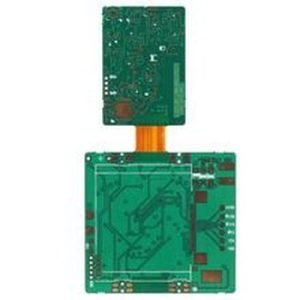
Printed circuit boards (PCBs) are an essential component in the electronics industry, serving as the backbone for countless devices we use in our daily lives. Traditionally, PCBs have been designed using rigid materials, such as fiberglass, which offer stability and durability.
However, as technology continues to advance, the demand for more compact and lightweight devices has led to the development of rigid-flex PCBs.
Rigid-flex PCBs combine the best of both worlds by incorporating rigid and flexible materials into a single board.
This unique design allows for greater flexibility in terms of layout and packaging, making it ideal for applications where space is limited.
In addition, rigid-flex PCBs offer improved reliability and signal integrity, as the flexible sections help to reduce stress on the board during operation.
One of the key benefits of using rigid-flex PCBs is their ability to reduce the overall size and weight of a device.
By eliminating the need for bulky connectors and cables, designers can create more compact and lightweight products without sacrificing performance.
This is particularly important in industries such as aerospace, medical, and automotive, where space constraints are a major consideration.
Another advantage of rigid-flex PCBs is their enhanced reliability. Traditional PCBs are prone to failure due to factors such as vibration, thermal expansion, and mechanical stress. Rigid-flex PCBs, on the other hand, are better equipped to withstand these challenges, thanks to the flexibility of the materials used. This results in a more robust and durable product that is less likely to experience issues over time.
In addition to improved reliability, rigid-flex PCBs also offer superior signal integrity. The flexible sections of the board help to reduce impedance mismatches and signal loss, resulting in cleaner and more consistent performance. This is especially important in high-speed applications where signal integrity is critical to the overall functionality of the device.
When it comes to designing rigid-flex PCBs, there are several strategies that can help ensure success. One of the most important considerations is to carefully plan the layout of the board to optimize space and minimize signal interference. This involves strategically placing components and traces to ensure efficient signal flow and reduce the risk of crosstalk.
Another key aspect of rigid-flex PCB design is selecting the right materials for the job. It is essential to choose materials that can withstand the rigors of the application, while also providing the necessary flexibility and durability. This may involve using a combination of rigid and flexible substrates, as well as special adhesives and coatings to ensure a secure bond between the layers.
Furthermore, it is important to work closely with a reputable PCB manufacturer who has experience in producing rigid-flex boards.
Aknowledgeable manufacturer can provide valuable insights and guidance throughout the design process, helping to identify potential issues and find solutions before they become problems.
In conclusion, rigid-flex PCBs offer a host of benefits for designers looking to create compact, reliable, and high-performance electronic devices.
By taking a strategic approach to design and working with experienced manufacturers, designers can leverage the advantages of rigid-flex technology to create innovative products that meet the demands of today’s fast-paced market.