
Benefits of Using Rigid-Flex PCBs in IoT and Smart Home Devices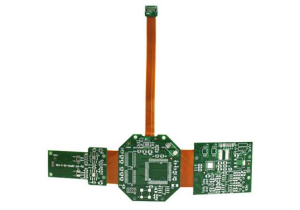
In the rapidly evolving world of Internet of Things (IoT) and smart home devices, the demand for innovative and reliable printed circuit boards (PCBs) is higher than ever.
Rigid-flex PCBs have emerged as a popular choice for manufacturers looking to create compact, durable, and high-performance devices.
These unique PCBs combine the benefits of rigid and flexible PCBs, offering a versatile solution for a wide range of applications.
One of the key benefits of using rigid-flex PCBs in IoT and smart home devices is their ability to reduce space constraints.
Traditional rigid PCBs are limited by their fixed dimensions, making it challenging to design compact and lightweight devices.
In contrast, rigid-flex PCBs can be bent and folded to fit into tight spaces, allowing manufacturers to create smaller and more streamlined products.
This flexibility in design not only enhances the aesthetic appeal of the devices but also improves their functionality by enabling the integration of more components in a limited space.
Moreover, rigid-flex PCBs offer superior reliability compared to traditional PCBs. The flexible sections of the PCBs are less prone to mechanical stress and vibration,
reducing the risk of component failure and ensuring long-term performance. This is particularly important in IoT and smart home devices, which are often subjected to constant movement and environmental factors.
By using rigid-flex PCBs, manufacturers can enhance the durability and longevity of their products, ultimately improving customer satisfaction and reducing maintenance costs.
Another advantage of rigid-flex PCBs is their enhanced signal integrity. The flexible sections of the PCBs act as natural shock absorbers, reducing signal noise and interference.
This is crucial in IoT and smart home devices, which rely on seamless communication between various components to function effectively.
By using rigid-flex PCBs, manufacturers can ensure stable and reliable signal transmission, leading to improved performance and user experience.
Furthermore, rigid-flex PCBs offer cost savings in the long run. While the initial manufacturing costs of rigid-flex PCBs may be higher than traditional PCBs,
the durability and reliability of these boards can result in lower maintenance and replacement costs over time.
By investing in high-quality rigid-flex PCBs, manufacturers can create products that are not only technologically advanced but also cost-effective in the long term.
In conclusion, the benefits of using rigid-flex PCBs in IoT and smart home devices are undeniable.
From space-saving design to enhanced reliability and signal integrity, these unique PCBs offer a versatile solution for manufacturers looking to create innovative and high-performance products.
By incorporating rigid-flex PCBs into their designs, manufacturers can stay ahead of the competition and meet the growing demands of the IoT and smart home market.
With their ability to improve functionality, durability, and cost-effectiveness, rigid-flex PCBs are undoubtedly a game-changer in the world of electronics manufacturing.