
Benefits of Using Rigid-Flex PCBs in Flexible Display and Touchscreen Applications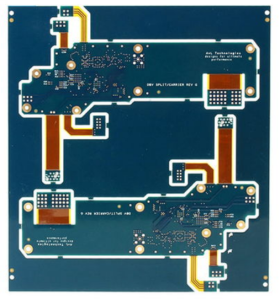
Flexible displays and touchscreens have become increasingly popular in consumer electronics, from smartphones to wearable devices.
These innovative technologies offer a range of benefits, including improved durability, lightweight design, and enhanced user experience.
One key component that enables the functionality of flexible displays and touchscreens is the use of rigid-flex PCBs.
Rigid-flex PCBs are a type of printed circuit board that combines both rigid and flexible materials in a single board.
This unique construction allows for greater design flexibility and reliability, making them ideal for use in applications where flexibility and durability are essential.
In the context of flexible displays and touchscreens, rigid-flex PCBs offer several key benefits that make them the preferred choice for manufacturers.
One of the primary advantages of using rigid-flex PCBs in flexible display and touchscreen applications is their ability to withstand repeated bending and flexing without compromising performance.
Traditional rigid PCBs are not designed to bend, which can lead to mechanical stress and eventual failure when used in flexible devices. Rigid-flex PCBs, on the other hand, are specifically engineered to
withstand bending and flexing, making them well-suited for use in devices that require a high degree of flexibility.
In addition to their flexibility, rigid-flex PCBs offer improved reliability and durability compared to traditional PCBs.
The combination of rigid and flexible materials in a single board creates a more robust construction that is less prone to damage from shock, vibration, and other environmental factors.
This increased durability ensures that flexible displays and touchscreens using rigid-flex PCBs will have a longer lifespan and require less maintenance over time.
Another key benefit of using rigid-flex PCBs in flexible display and touchscreen applications is their compact design.
The ability to integrate both rigid and flexible components into a single board allows for a more streamlined and space-efficient design, making it easier to create thinner and lighter devices.
This compact design also helps to reduce the overall size and weight of the device, making it more comfortable and convenient for users to carry and use.
Furthermore, rigid-flex PCBs offer improved signal integrity and electrical performance compared to traditional PCBs.
The use of flexible materials in the construction of the board helps to reduce signal loss and interference, resulting in better overall performance and reliability.
This is particularly important in applications where high-speed data transmission is required, such as in touchscreen devices that rely on precise touch input for operation.
Overall, the benefits of using rigid-flex PCBs in flexible display and touchscreen applications are clear.
From improved flexibility and durability to compact design and enhanced electrical performance, rigid-flex PCBs offer a range of advantages that make them the ideal
choice for manufacturers looking to create innovative and reliable flexible devices. As the demand for flexible displays and touchscreens continues to grow, rigid-flex PCBs will play
an increasingly important role in shaping the future of consumer electronics.