
Benefits of Using Rigid-Flex PCBs in Aerospace and Defense Applications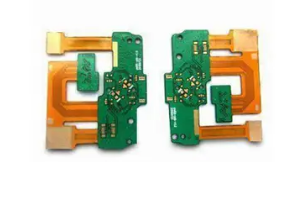
Rigid-flex PCBs, or printed circuit boards, have become increasingly popular in aerospace and defense applications due to their numerous benefits.
These specialized PCBs combine the best of both rigid and flexible circuit boards, offering a unique solution for applications that require both durability and flexibility.
In this article, we will explore the benefits of using rigid-flex PCBs in aerospace and defense applications.
One of the key advantages of rigid-flex PCBs is their ability to reduce the overall size and weight of electronic devices.
By combining rigid and flexible sections into a single board, designers can create compact and lightweight solutions that are ideal for space-constrained environments.
This is particularly important in aerospace and defense applications, where every ounce and inch of space matters.
In addition to their compact size, rigid-flex PCBs also offer improved reliability and durability compared to traditional rigid PCBs.
The flexible sections of the board help to absorb shock and vibration, reducing the risk of damage to the components.
This is crucial in aerospace and defense applications, where electronic devices are often subjected to harsh conditions and extreme temperatures.
Furthermore, rigid-flex PCBs are also more resistant to moisture and contaminants, making them ideal for use in environments where exposure to water, dust, and other particles is a concern.
This added protection helps to extend the lifespan of the electronic devices and reduce the need for frequent maintenance and repairs.
Another benefit of using rigid-flex PCBs in aerospace and defense applications is their ability to support complex and intricate designs.
The flexible sections of the board can be bent and folded to fit into tight spaces or conform to the shape of the device, allowing for greater design flexibility and customization.
This is particularly useful in applications where space is limited or where the electronic device needs to be integrated into a larger system.
Additionally, rigid-flex PCBs offer improved signal integrity and reduced electromagnetic interference (EMI) compared to traditional rigid PCBs.
The flexible sections of the board help to minimize signal loss and crosstalk, ensuring that the electronic device operates reliably and efficiently.
This is critical in aerospace and defense applications, where communication and data transmission are essential for mission success.
Overall, the benefits of using rigid-flex PCBs in aerospace and defense applications are clear. These specialized circuit boards offer a unique combination of compact size,
durability, reliability, and flexibility, making them an ideal solution for a wide range of electronic devices.
Whether it’s a satellite communication system, a military drone, or a cockpit display, rigid-flex PCBs can help to improve performance and reliability in even the most demanding environments.