
Benefits of Using Rigid Flex PCBs in Electronic Devices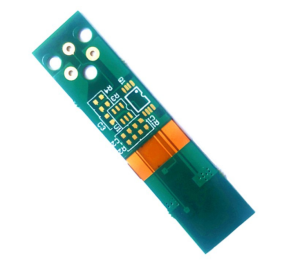
In the world of electronics, reliability and durability are two key factors that manufacturers strive to achieve in their products.
One way to enhance these qualities is by using rigid flex PCBs, which offer a number of benefits over traditional PCBs.
Rigid flex PCBs combine the best of both rigid and flexible circuit boards, providing a solution that is both sturdy and versatile.
One of the main advantages of using rigid flex PCBs is their ability to reduce the number of interconnects needed in a device.
With traditional PCBs, multiple interconnects are required to connect the rigid and flexible portions of the board.
This can lead to increased complexity and potential points of failure.
Rigid flex PCBs, on the other hand, eliminate the need for these additional interconnects, resulting in a more reliable and durable product.
Another benefit of using rigid flex PCBs is their ability to withstand harsh environments.
Traditional PCBs are often limited in their ability to withstand extreme temperatures, moisture, and other environmental factors.
Rigid flex PCBs, however, are designed to be more resilient, making them ideal for use in a wide range of applications, from aerospace to medical devices.
In addition to their durability, rigid flex PCBs also offer improved signal integrity.
Because the rigid and flexible portions of the board are connected internally, there is less chance of signal interference or loss.
This can result in better performance and reliability in electronic devices, particularly those that require high-speed data transmission.
Furthermore, rigid flex PCBs are more compact and lightweight than traditional PCBs, making them ideal for use in devices where space is at a premium.
Their flexible design allows them to be bent or folded to fit into tight spaces, while still maintaining their structural integrity.
This can be particularly useful in applications such as wearable technology or IoT devices, where size and weight are important considerations.
Overall, the benefits of using rigid flex PCBs in electronic devices are clear.
They offer improved reliability, durability, signal integrity, and space efficiency, making them a versatile and cost-effective solution for a wide range of applications. By incorporating rigid flex PCBs into their designs, manufacturers can create products that are not only more reliable and durable but also more compact and lightweight. This can lead to improved performance and customer satisfaction, ultimately setting their products apart in a competitive market.