
Rigid-Flex PCBs: Enabling Scalability in AIoT Networks
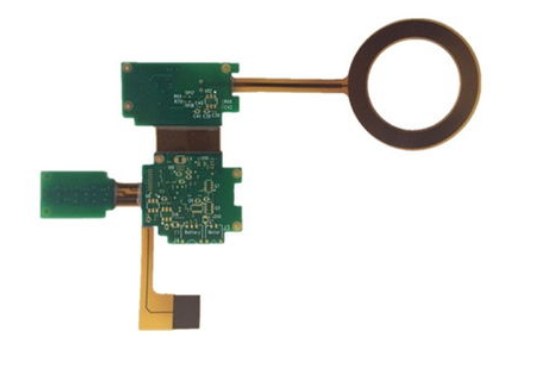
Rigid-Flex PCBs: Enabling Scalability in AIoT Networks
The Artificial Intelligence of Things (AIoT) is rapidly expanding, with billions of connected devices forming the backbone of smart ecosystems across industries. As these networks grow, scalability becomes a critical factor in ensuring seamless connectivity, efficient data processing, and reliable performance. Rigid-flex printed circuit boards (PCBs) are playing a pivotal role in enabling scalability in AIoT networks by providing the flexibility, durability, and high-performance connectivity needed to support the increasing complexity and size of these systems.
1. Supporting High-Density Device Integration
AIoT networks rely on the integration of numerous devices, each requiring compact and efficient designs. Rigid-flex PCBs enable high-density integration of components, allowing for the development of smaller, more powerful devices that can be deployed at scale.
Applications:
- Smart Sensors: Rigid-flex PCBs enable the integration of multiple sensors, processors, and communication modules into compact designs, supporting the deployment of large-scale sensor networks.
- Edge Devices: In edge computing devices, rigid-flex PCBs facilitate the integration of high-performance processors and memory modules, enabling real-time data processing at the edge of the network.
2. Enhancing Network Connectivity
Scalability in AIoT networks requires robust and reliable connectivity between devices. Rigid-flex PCBs enable the integration of advanced communication modules, such as Wi-Fi, Bluetooth, and 5G, ensuring seamless data transmission across the network.
Applications:
- Wireless Communication Modules: Rigid-flex PCBs support the integration of wireless communication modules that enable high-speed data transmission and low-latency connectivity.
- Mesh Networks: In mesh networks, rigid-flex PCBs facilitate the integration of communication modules that enable devices to relay data to each other, improving network coverage and reliability.
3. Facilitating Modular Design
Modular design is a key enabler of scalability in AIoT networks, allowing for the easy addition or replacement of components as the network grows. Rigid-flex PCBs support modular design by enabling the integration of interchangeable components and subsystems.
Applications:
- Industrial Automation: In smart factories, rigid-flex PCBs enable the development of modular control systems that can be easily expanded or reconfigured as production needs change.
- Smart Home Devices: In smart home ecosystems, rigid-flex PCBs support the integration of modular components, allowing users to add new devices and features to their network.
4. Ensuring Durability in Large-Scale Deployments
AIoT networks often involve the deployment of devices in harsh environments, where they may be exposed to temperature fluctuations, moisture, and mechanical stress. Rigid-flex PCBs are designed to withstand these conditions, ensuring reliable operation at scale.
Applications:
- Outdoor Sensors: In environmental monitoring systems, rigid-flex PCBs ensure the durability of sensors deployed in outdoor locations, such as weather stations and air quality monitors.
- Industrial Equipment: In industrial settings, rigid-flex PCBs provide the durability needed for sensors and control systems exposed to high temperatures and vibrations.
5. Enabling Edge Computing for Scalable Data Processing
Edge computing is essential for scalable AIoT networks, enabling real-time data processing and reducing the load on central servers. Rigid-flex PCBs support the integration of edge computing capabilities, allowing devices to process data locally and transmit only relevant information to the cloud.
Applications:
- Smart Cameras: In surveillance systems, rigid-flex PCBs enable the integration of edge computing capabilities, allowing cameras to analyze video footage locally and transmit only relevant alerts.
- Predictive Maintenance: In industrial settings, rigid-flex PCBs support edge devices that analyze equipment data locally, enabling real-time predictive maintenance and reducing downtime.
6. Supporting AI-Driven Scalability
AI-driven scalability is becoming increasingly important in AIoT networks, enabling devices to analyze data and make decisions autonomously. Rigid-flex PCBs provide the platform for integrating AI processors and sensors that support these capabilities.
Applications:
- AI-Driven Analytics: Rigid-flex PCBs enable the integration of AI algorithms that can analyze data patterns and optimize network performance in real time.
- Autonomous Devices: In autonomous systems, such as drones and robots, rigid-flex PCBs support AI-driven decision-making, enabling scalable deployment in various environments.
7. Driving Innovation in Scalable AIoT Solutions
Rigid-flex PCBs are driving innovation in scalable AIoT solutions by enabling the development of new technologies and applications. For example, the integration of advanced communication protocols and AI algorithms is becoming increasingly feasible with the capabilities of rigid-flex PCBs.
Applications:
- 5G-Enabled Devices: Rigid-flex PCBs support the integration of 5G modules, enabling high-speed communication and low-latency data transmission in scalable AIoT networks.
- Blockchain Integration: By enabling secure communication and data storage, rigid-flex PCBs facilitate the use of blockchain technology for decentralized authentication and data integrity in scalable networks.
Conclusion
Rigid-flex PCBs are playing a transformative role in enabling scalability in AIoT networks by supporting high-density device integration, enhancing network connectivity, facilitating modular design, ensuring durability, enabling edge computing, supporting AI-driven scalability, and driving innovation. As AIoT networks continue to expand, the demand for scalable and reliable solutions will only increase, ensuring that rigid-flex PCBs remain at the forefront of technological innovation. By addressing the unique challenges of scalability, rigid-flex PCBs are helping to create smarter, more efficient, and more connected ecosystems that transform industries and improve lives.