
Benefits of Using Rigid-Flex PCBs
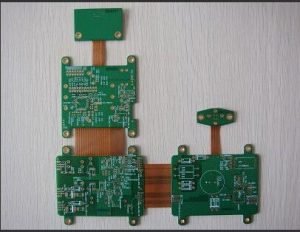
Printed circuit boards (PCBs) are an essential component in electronic devices, providing a platform for connecting various electronic components.
Traditional PCBs are rigid and inflexible, limiting their use in devices that require flexibility or compactness.
However, with the advancement of technology, rigid-flex PCBs have emerged as a solution to this limitation.
Rigid-flex PCBs combine the benefits of both rigid and flexible PCBs, offering a versatile and reliable solution for a wide range of applications.
One of the key advantages of using rigid-flex PCBs is their ability to reduce the overall size and weight of electronic devices.
By eliminating the need for bulky connectors and cables, rigid-flex PCBs enable designers to create more compact and lightweight devices.
This is particularly beneficial in applications where space is limited, such as in wearable devices, medical implants, and aerospace systems.
The flexibility of rigid-flex PCBs also allows for more creative and innovative designs, enabling manufacturers to create products with unique form factors and improved functionality.
In addition to their compactness, rigid-flex PCBs offer improved reliability and durability compared to traditional PCBs.
The flexible sections of the PCB are less prone to mechanical stress and vibration, reducing the risk of component failure and ensuring long-term performance. This makes rigid-flex PCBs ideal for applications that require high reliability, such as in automotive electronics, industrial control systems, and military equipment. The combination of rigid and flexible materials also provides better thermal management, allowing for efficient heat dissipation and improved overall performance.
Another benefit of using rigid-flex PCBs is their cost-effectiveness.
While the initial manufacturing cost of rigid-flex PCBs may be higher than traditional PCBs, the overall cost savings can be significant.
By eliminating the need for additional connectors and cables, rigid-flex PCBs reduce assembly time and labor costs.
The compact design of rigid-flex PCBs also reduces the need for additional components, further lowering the overall cost of the electronic device.
Additionally, the improved reliability and durability of rigid-flex PCBs can result in lower maintenance and repair costs over the lifespan of the product.
Despite their numerous advantages, rigid-flex PCBs also present some challenges that designers and manufacturers need to consider.
One of the main challenges is the complexity of the design and manufacturing process. Rigid-flex PCBs require specialized knowledge and expertise in both rigid and flexible PCB technologies, as well as in the integration of these two materials. Designing a rigid-flex PCB involves careful consideration of factors such as material selection, layer stacking, and bending radius, which can be challenging for inexperienced designers.
Another challenge of using rigid-flex PCBs is the limited availability of materials and manufacturing processes.
While the demand for rigid-flex PCBs is increasing, the supply chain for these specialized materials and processes is still relatively limited. This can result in longer lead times and higher costs for rigid-flex PCBs compared to traditional PCBs. Additionally, the complexity of rigid-flex PCBs can make troubleshooting and repair more difficult, requiring specialized equipment and expertise.
In conclusion, rigid-flex PCBs offer a wide range of benefits for electronic device manufacturers, including compactness, reliability, durability, and cost-effectiveness. By combining the advantages of rigid and flexible PCBs, rigid-flex PCBs enable designers to create innovative and reliable products for a variety of applications. However, the challenges associated with designing and manufacturing rigid-flex PCBs should not be overlooked. With careful planning and expertise, manufacturers can overcome these challenges and harness the full potential of rigid-flex PCB technology.