
Benefits of Using Rigid Flex PCBs in Multilayer Rigid-flex Boards
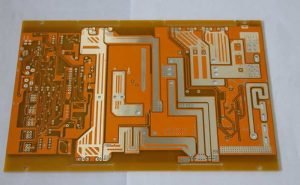
Rigid-flex PCBs have become increasingly popular in the electronics industry due to their unique combination of rigid and flexible materials.
These boards offer a number of benefits, especially when used in multilayer rigid-flex boards. In this article, we will explore some of the advantages of using rigid-flex PCBs in multilayer applications.
One of the key benefits of using rigid-flex PCBs in multilayer boards is their ability to reduce the overall size and weight of the final product.
By combining rigid and flexible materials in a single board, designers can create complex, three-dimensional shapes that would be impossible with traditional rigid PCBs. This allows for more compact and lightweight designs, making rigid-flex PCBs ideal for applications where space is at a premium.
In addition to their compact size, rigid-flex PCBs also offer improved reliability compared to traditional rigid boards.
The flexible sections of the board help to absorb mechanical stresses and vibrations, reducing the risk of component failure due to bending or flexing.
This makes rigid-flex PCBs particularly well-suited for applications that require high reliability, such as medical devices or aerospace systems.
Another advantage of using rigid-flex PCBs in multilayer boards is their ability to simplify the assembly process.By integrating multiple layers of rigid and flexible materials into a single board, designers can reduce the number of interconnects and solder joints required, leading to faster and more efficient assembly. This can help to reduce manufacturing costs and improve overall product quality.
Rigid-flex PCBs also offer greater design flexibility compared to traditional rigid boards.
Designers can create complex, three-dimensional shapes that would be impossible with rigid boards alone, allowing for more creative and innovative designs. This flexibility is particularly useful in applications where space is limited or where components need to be arranged in a specific configuration.
In addition to their design flexibility, rigid-flex PCBs also offer improved signal integrity compared to traditional rigid boards.
The flexible sections of the board help to reduce signal loss and crosstalk, leading to better overall performance.
This makes rigid-flex PCBs ideal for high-speed applications where signal integrity is critical, such as telecommunications or data storage systems.
Overall, the benefits of using rigid-flex PCBs in multilayer boards are clear.
These boards offer a compact size, improved reliability, simplified assembly, greater design flexibility, and improved signal integrity, making them ideal for a wide range of applications. As technology continues to advance, we can expect to see even greater adoption of rigid-flex PCBs in the electronics industry.