
Benefits of Using Rigid-Flex PCBs in Electronic Devices
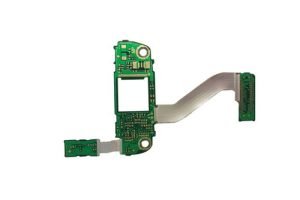
Flexible circuit technologies have revolutionized the way electronic devices are designed and manufactured.
One of the most innovative advancements in this field is the development of rigid-flex PCBs, which combine the benefits of rigid and flexible circuits into a single solution. In this article, we will explore the benefits of using rigid-flex PCBs in electronic devices.
One of the key advantages of rigid-flex PCBs is their ability to reduce the overall size and weight of electronic devices.
By combining rigid and flexible circuits into a single board, designers can create more compact and lightweight devices without sacrificing functionality.
This is especially important in industries where space is at a premium, such as aerospace, medical, and automotive.
In addition to saving space, rigid-flex PCBs also offer improved reliability compared to traditional PCBs.
The flexible portions of the board are less prone to mechanical stress and vibration, reducing the risk of component failure.
This makes rigid-flex PCBs ideal for applications where reliability is critical, such as in medical devices or military equipment.
Another benefit of using rigid-flex PCBs is their ability to simplify assembly and reduce manufacturing costs.
By eliminating the need for multiple interconnects and connectors, designers can streamline the assembly process and reduce the number of components required. This not only saves time and money during production but also improves the overall quality and reliability of the final product.
Furthermore, rigid-flex PCBs offer greater design flexibility compared to traditional PCBs.
Designers can create complex, three-dimensional shapes that would be impossible with rigid boards alone. This opens up a world of possibilities for creating innovative and unique electronic devices that push the boundaries of what is possible.
Additionally, rigid-flex PCBs offer improved signal integrity and EMI/RFI shielding compared to traditional PCBs.
The flexible portions of the board can be used to route high-speed signals with minimal impedance, reducing signal loss and improving overall performance. This is especially important in applications where signal integrity is critical, such as in high-speed data transmission or RF communication systems.
Overall, the benefits of using rigid-flex PCBs in electronic devices are clear.
From reducing size and weight to improving reliability and signal integrity, rigid-flex PCBs offer a wide range of advantages that make them an attractive choice for designers and manufacturers alike. As technology continues to evolve, rigid-flex PCBs will undoubtedly play a key role in shaping the future of electronic devices.