
Benefits of Using Rigid-Flex Electric PCB Assembly
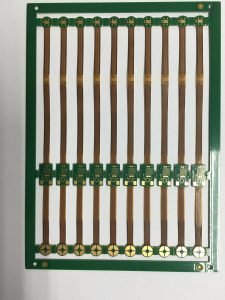
Rigid-flex electric PCB assembly is a cutting-edge technology that combines the benefits of rigid and flexible printed circuit boards (PCBs) into one seamless solution. This innovative approach offers a wide range of advantages for manufacturers looking to streamline their production processes and improve the performance of their electronic devices.
One of the key benefits of using rigid-flex electric PCB assembly is the reduction in overall size and weight of the final product.
By combining rigid and flexible PCBs into a single unit, manufacturers can create more compact and lightweight electronic devices without sacrificing functionality or durability. This is especially important for industries where space is limited, such as aerospace, automotive, and medical devices.
In addition to saving space and weight, rigid-flex electric PCB assembly also offers improved reliability and durability compared to traditional PCBs.
The flexible portions of the PCB are designed to withstand bending and flexing without compromising the integrity of the circuitry, making them ideal for applications where the device may be subject to vibration, shock, or other mechanical stresses. This increased durability can help extend the lifespan of electronic devices and reduce the need for costly repairs or replacements.
Another benefit of using rigid-flex electric PCB assembly is the ability to create more complex and intricate designs.
The flexibility of the PCB allows for greater freedom in routing traces and placing components, enabling manufacturers to create custom layouts that optimize performance and functionality. This flexibility also makes it easier to integrate multiple PCBs into a single unit, reducing the number of interconnects and potential points of failure.
Furthermore, rigid-flex electric PCB assembly can help streamline the production process and reduce overall costs.
By combining multiple PCBs into a single unit, manufacturers can simplify assembly and testing procedures, saving time and labor costs.
Additionally, the reduced number of interconnects and components can help lower material costs and minimize the risk of errors or defects during manufacturing.
Overall, the benefits of using rigid-flex electric PCB assembly are clear. From improved reliability and durability to reduced size and weight, this innovative technology offers a wide range of advantages for manufacturers looking to enhance the performance and functionality of their electronic devices.
By leveraging the flexibility and versatility of rigid-flex PCBs, manufacturers can create more compact, lightweight, and reliable products that meet the demands of today’s fast-paced and ever-changing market.
In conclusion, rigid-flex electric PCB assembly is a game-changing technology that offers a host of benefits for manufacturers looking to stay ahead of the competition. By combining the best features of rigid and flexible PCBs into a single unit, manufacturers can create more compact, lightweight, and reliable electronic devices that meet the demands of today’s fast-paced and ever-changing market. Whether you’re looking to save space, improve durability, or streamline production processes, rigid-flex electric PCB assembly is a versatile and cost-effective solution that can help take your products to the next level.