
Benefits of Using Rigid Flex PCBs in IoT Devices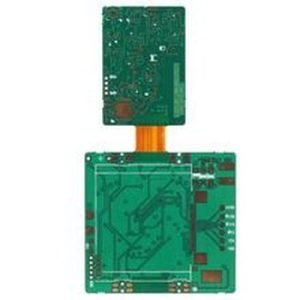
The Internet of Things (IoT) has revolutionized the way we interact with technology in our daily lives. From smart homes to wearable devices, IoT has enabled seamless connectivity and automation like never before.
One crucial component that has played a significant role in the advancement of IoT devices is the Rigid Flex PCB.
Rigid Flex PCBs, or rigid-flexible printed circuit boards, are a hybrid of traditional rigid PCBs and flexible PCBs.
They offer the best of both worlds by combining the durability and stability of rigid boards with the flexibility and space-saving benefits of flexible boards.
This unique combination makes them ideal for use in IoT devices where space constraints and durability are key considerations.
One of the primary benefits of using Rigid Flex PCBs in IoT devices is their ability to reduce the overall size and weight of the device.
Traditional rigid PCBs require additional connectors and cables to connect different components, which can take up valuable space and add unnecessary weight.
Rigid Flex PCBs eliminate the need for these extra components by allowing for seamless integration of both rigid and flexible sections in a single board.
This not only reduces the overall size of the device but also improves its reliability by minimizing the number of potential points of failure.
In addition to space-saving benefits, Rigid Flex PCBs also offer improved signal integrity and reliability.
The flexible sections of the board allow for better routing of high-speed signals, reducing signal loss and interference.
This is crucial in IoT devices where reliable communication between different components is essential for proper functionality.
The rigid sections of the board provide stability and support for components, ensuring that they remain securely in place even in harsh environmental conditions.
Furthermore, Rigid Flex PCBs are more resistant to vibration and mechanical stress compared to traditional rigid PCBs.
This makes them ideal for use in IoT devices that are subjected to constant movement or harsh operating conditions.
The flexibility of the board allows it to bend and flex without compromising the integrity of the connections, ensuring that the device continues to function properly even under challenging circumstances.
Another key benefit of using Rigid Flex PCBs in IoT devices is their cost-effectiveness.
While the initial manufacturing cost of Rigid Flex PCBs may be higher than traditional rigid PCBs, the overall cost savings over the lifetime of the device can be significant.
The reduced size and weight of the device can lead to lower shipping and handling costs, while the improved reliability and durability of the board can result in fewer warranty claims and repairs.
In conclusion, Rigid Flex PCBs play a crucial role in revolutionizing IoT devices by offering a unique combination of space-saving benefits, improved signal integrity, reliability, and cost-effectiveness.
Their ability to seamlessly integrate rigid and flexible sections in a single board makes them ideal for use in IoT devices where space constraints, durability, and reliability are key considerations.
As the demand for smaller, more reliable, and cost-effective IoT devices continues to grow, Rigid Flex PCBs will undoubtedly play an increasingly important role in shaping the future of smart technology.