
Benefits of Using Rigid Flex PCBs in Electronic Devices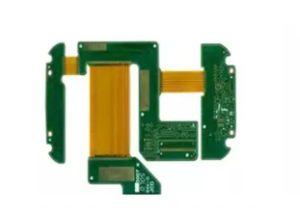
In the world of electronics, innovation is key to staying ahead of the competition.
One of the latest advancements in electronic design is the use of rigid flex PCBs.
These circuit boards combine the benefits of both rigid and flexible PCBs, offering a unique solution for a wide range of electronic devices.
In this article, we will explore the benefits of using rigid flex PCBs in electronic devices and how they are revolutionizing the industry.
Rigid flex PCBs offer a number of advantages over traditional rigid or flexible PCBs.
One of the main benefits is their ability to reduce the overall size and weight of electronic devices.
By combining rigid and flexible sections on a single board, designers can create more compact and lightweight devices without sacrificing functionality.
This is especially important in industries where space is limited, such as aerospace, medical, and automotive.
Another key benefit of rigid flex PCBs is their reliability.
Traditional PCBs are prone to failure due to factors such as vibration, shock, and temperature fluctuations.
Rigid flex PCBs, on the other hand, are more durable and resistant to these environmental factors.
This makes them ideal for use in harsh operating conditions where traditional PCBs may not hold up.
In addition to their durability, rigid flex PCBs also offer improved signal integrity.
The combination of rigid and flexible sections on a single board allows for better control over signal paths, reducing interference and improving overall performance. This is crucial in high-speed applications where signal integrity is critical to the operation of the device.
Furthermore, rigid flex PCBs are more cost-effective in the long run.
While the initial cost of designing and manufacturing a rigid flex PCB may be higher than that of a traditional PCB, the overall savings in terms of reduced maintenance and replacement costs can be significant. This is especially true in industries where downtime is costly and reliability is paramount.
One of the key benefits of using rigid flex PCBs in electronic devices is their versatility.
These circuit boards can be customized to fit a wide range of form factors and design requirements, making them suitable for a variety of applications. Whether it’s a wearable device, a medical implant, or a high-performance computer, rigid flex PCBs can be tailored to meet the specific needs of the device.
In conclusion, rigid flex PCBs are revolutionizing the electronics industry by offering a unique combination of size, weight, reliability, signal integrity, and cost-effectiveness. These circuit boards are versatile enough to be used in a wide range of electronic devices, making them an ideal choice for designers looking to push the boundaries of innovation. As technology continues to evolve, rigid flex PCBs will undoubtedly play a key role in shaping the future of electronic design.