
Implementing Statistical Process Control in Rigid Flex PCB Manufacturing
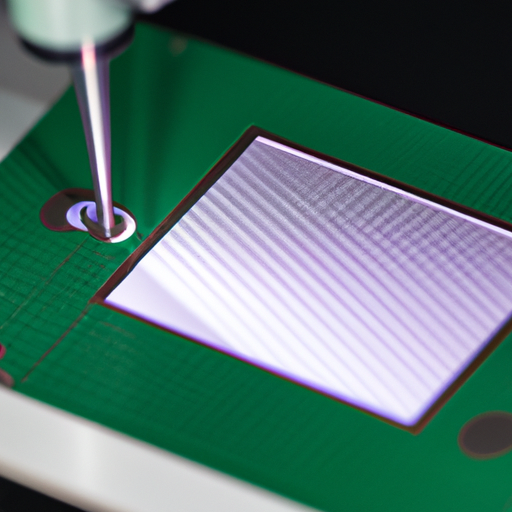
Quality control measures are essential in the production of rigid flex PCBs to ensure that the final product meets the required specifications and standards. One effective method of implementing quality control in manufacturing processes is through the use of Statistical Process Control (SPC).
SPC is a systematic approach to monitoring and controlling processes to ensure that they operate efficiently and produce products that meet the desired quality standards.
One of the key benefits of using SPC in rigid flex PCB production is that it allows manufacturers to identify and address variations in the manufacturing process before they result in defects or non-conformities in the final product.
By monitoring key process parameters and using statistical analysis techniques, manufacturers can detect trends and patterns in the data that indicate potential issues with the process.
This proactive approach to quality control helps to prevent defects from occurring and ensures that the final product meets the required quality standards.
In addition to detecting and preventing defects, SPC also helps manufacturers to improve the overall efficiency of the production process.
By monitoring key process parameters and identifying areas where improvements can be made, manufacturers can optimize their processes to reduce waste, minimize downtime, and increase productivity.
This not only leads to cost savings for the manufacturer but also results in a higher quality product for the end customer.
One of the key components of implementing SPC in rigid flex PCB production is the use of control charts.
Control charts are graphical tools that display the variation in key process parameters over time and help manufacturers to identify when a process is out of control.
By setting control limits based on historical data and statistical analysis, manufacturers can quickly identify when a process is deviating from the desired specifications and take corrective action to bring it back into control.
Another important aspect of implementing SPC in rigid flex PCB production is the use of process capability analysis.
Process capability analysis is a statistical technique that assesses the ability of a process to meet the required specifications and standards.
By calculating process capability indices such as Cp and Cpk, manufacturers can determine whether a process is capable of producing products within the desired quality limits.
This information can be used to identify areas where improvements are needed and to set realistic quality targets for the production process.
Overall, implementing SPC in rigid flex PCB production is essential for ensuring that the final product meets the required quality standards.
By monitoring key process parameters, using control charts, and conducting process capability analysis, manufacturers can detect and prevent defects, improve process efficiency, and optimize the production process.
This proactive approach to quality control not only benefits the manufacturer but also results in a higher quality product for the end customer.