
Importance of Quality Assurance in Rigid-Flex PCBs for Medical Devices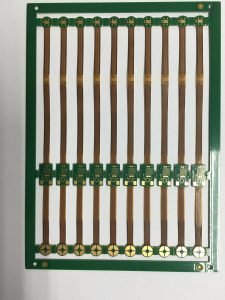
Quality assurance and testing standards play a crucial role in ensuring the reliability and safety of rigid-flex PCBs used in medical devices.
These standards are essential to guarantee that the PCBs meet the stringent requirements of the medical industry and perform flawlessly in critical applications.
In the medical field, where the stakes are high and the consequences of failure can be severe, quality assurance is paramount.
Rigid-flex PCBs are a popular choice for medical devices due to their flexibility, durability, and space-saving design.
These PCBs are used in a wide range of medical applications, including pacemakers, defibrillators, medical imaging equipment, and wearable health monitors.
Given the critical nature of these devices, it is imperative that the rigid-flex PCBs used in them are of the highest quality and reliability.
Quality assurance in rigid-flex PCBs for medical devices involves a comprehensive set of processes and procedures designed to ensure that the PCBs meet the required standards.
This includes rigorous testing at every stage of the manufacturing process, from design and fabrication to assembly and final inspection.
By adhering to strict quality assurance protocols, manufacturers can identify and rectify any defects or issues before the PCBs are integrated into medical devices.
One of the key aspects of quality assurance in rigid-flex PCBs for medical devices is compliance with industry standards and regulations.
The medical industry is highly regulated, with strict guidelines governing the design, manufacturing, and testing of medical devices.
Manufacturers of rigid-flex PCBs must adhere to these standards to ensure that their products meet the necessary safety and performance requirements.
In addition to regulatory compliance, quality assurance in rigid-flex PCBs for medical devices also involves thorough testing to verify the functionality and reliability of the PCBs.
This includes electrical testing, thermal testing, vibration testing, and other tests to ensure that the PCBs can withstand the harsh operating conditions they may be subjected to in medical devices.
By conducting these tests, manufacturers can identify any potential issues and make necessary improvements to enhance the quality and reliability of their products.
Furthermore, quality assurance in rigid-flex PCBs for medical devices also encompasses traceability and documentation.
Manufacturers must maintain detailed records of the materials, components, and processes used in the manufacturing of the PCBs to ensure traceability and accountability.
This documentation is essential for identifying any issues that may arise and for implementing corrective actions to prevent them from recurring in the future.
Overall, quality assurance and testing standards are critical for ensuring the reliability and safety of rigid-flex PCBs used in medical devices.
By adhering to stringent quality assurance protocols, manufacturers can produce high-quality PCBs that meet the stringent requirements of the medical industry.
This not only helps to protect patients and healthcare providers but also enhances the reputation and credibility of the manufacturers in the medical device market.
In an industry where reliability and safety are paramount, quality assurance is not just a requirement but a necessity.