
Benefits of Using Rigid-Flexible Circuit Boards in Electronic Devices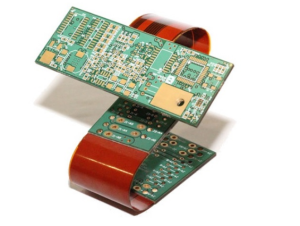
In the world of electronic devices, the demand for smaller, lighter, and more efficient products is constantly increasing.
This has led to the development and utilization of rigid-flexible circuit boards, which offer a number of benefits over traditional rigid PCBs.
These innovative circuit boards combine the best of both worlds, providing the flexibility of a flexible PCB with the durability and reliability of a rigid PCB.
One of the key benefits of using rigid-flexible circuit boards in electronic devices is their ability to reduce the overall size and weight of the product.
By eliminating the need for bulky connectors and cables, these circuit boards allow for a more compact and streamlined design.
This is particularly important in devices such as smartphones, tablets, and wearables, where space is at a premium.
In addition to their space-saving benefits, rigid-flexible circuit boards also offer improved reliability and durability.
The flexible sections of the board are able to withstand bending and flexing without compromising the integrity of the circuitry.
This makes them ideal for applications where the board may be subject to mechanical stress or vibration, such as in automotive or aerospace applications.
Another advantage of using rigid-flexible circuit boards is their ability to simplify the assembly process. By integrating multiple PCBs into a single board, manufacturers can reduce the number of components that need to be soldered or connected together. This not only saves time and labor costs, but also reduces the risk of errors or defects during assembly.
Furthermore, rigid-flexible circuit boards offer enhanced signal integrity and electrical performance. The flexible sections of the board can be designed to minimize signal loss and impedance mismatch, resulting in improved overall performance of the device. This is particularly important in high-speed applications, where signal integrity is critical to the functionality of the device.
Overall, the benefits of using rigid-flexible circuit boards in electronic devices are clear. From reducing size and weight to improving reliability and performance, these innovative circuit boards offer a number of advantages over traditional rigid PCBs. By optimizing the production of rigid-flexible circuit boards, manufacturers can take full advantage of these benefits and create electronic devices that are smaller, lighter, and more efficient than ever before.