
Microfluidic-Rigid-Flex Co-Integration for Lab-on-a-Chip Point-of-Care Diagnostics
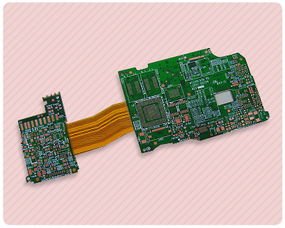
Microfluidic-rigid-flex co-integration is revolutionizing the landscape of lab-on-a-chip systems, particularly in point-of-care diagnostics.
This innovative approach combines flexible microfluidic devices with rigid substrate technologies, allowing for enhanced functionality and application versatility.
In this article, we will delve deep into the elements driving this technological advancement, the benefits it presents, and the future potential it holds in the realm of portable diagnostic solutions.
Understanding Microfluidics and Lab-on-a-Chip Technologies
Microfluidics involves the manipulation of fluids on a microscale, facilitating precise control over small volumes of liquids.
These systems enable a range of analyses and reactions, making them crucial in various fields, particularly in biomedical diagnostics.
Lab-on-a-chip (LOC) devices integrate multiple lab functions onto a single chip, streamlining processes and enhancing diagnostic efficiency.
A significant area of development is in point-of-care (POC) diagnostics, where rapid, accurate testing is paramount.
Traditional diagnostic methods often require bulky equipment and lengthy processing times, which can delay patient care.
Microfluidic-Lab-on-a-chip systems aim to overcome these limitations, providing quick and reliable results for a range of medical conditions at the patient’s location.
The Role of Rigid-Flex Co-Integration
The integration of rigid and flexible materials brings a new dimension to the functionality and reliability of lab-on-a-chip systems.
Rigid components, typically made from materials like silicon or glass, provide mechanical support and ensure precision in fluid handling.
In contrast, flexible components, often utilizing polymers, allow for easier integration and adaptability to different forms and surfaces.
Benefits of Microfluidic-Rigid-Flex Co-Integration
- Compact Design: The hybrid design reduces the overall size and weight of diagnostic devices, making them portable.
This is particularly advantageous in POC settings, where space may be limited. - Enhanced Fluid Control: By combining rigid and flexible technologies, developers can create intricate microfluidic channels that can more precisely control fluid flow and mixing, leading to improved analytical performance.
- User-Friendly Interfacing: The flexibility of the substrate allows for easier implementation in various applications, whether it be in clinical settings or field diagnostics.
Devices can be designed to adapt to different surfaces, facilitating straightforward usage. - Scalability: The combination of these materials allows for the creation of devices that can be mass-produced without sacrificing quality and performance.
This is crucial for widespread deployment in healthcare environments. - Cost-Effectiveness: With the potential for mass production and reduced need for complex machinery, these integrated systems may lead to lower costs for end-users, which is vital in increasing accessibility to diagnostic tools.
Challenges in Integration
Despite the many advantages, integrating rigid and flexible components poses challenges.
Achieving reliable bonding between the two materials can be complex due to differences in thermal expansion and chemical properties.
Additionally, ensuring the device’s durability under various operating conditions remains a key concern.
Advancements in adhesive technologies and surface modifications are crucial in overcoming these challenges.
Innovations in material science are enabling better compatibility between the rigid and flexible components, promising more stable and efficient lab-on-a-chip solutions.
Future Potential in Point-of-Care Diagnostics
The future looks promising for microfluidic-rigid-flex co-integration in POC diagnostics.
As the demand for timely and accurate testing continues to rise, particularly in response to global health crises, these systems hold significant potential.
- Telemedicine Integration: As remote healthcare becomes increasingly mainstream, lab-on-a-chip devices can be employed for instant analyses, allowing healthcare providers to make informed decisions without needing patients to visit clinics.
- Personalized Medicine: Individualized healthcare is a rising trend, and the flexibility of these systems can contribute to personal medicine approaches by enabling tailored diagnostics and treatments.
- Broadening Application Areas: From infectious disease testing to chronic disease management, the applicability of integrated microfluidic systems is vast.
As the technology matures, we may see their adoption expand into new fields, such as environmental testing and food safety.
Conclusion
Microfluidic-rigid-flex co-integration is shaping the future landscape of lab-on-a-chip point-of-care diagnostics.
By combining the strengths of rigid and flexible substrates, this technology offers a pathway for compact, efficient, and reliable diagnostic solutions.
While challenges remain, the ongoing innovations in this field promise significant advancements that could lead to more accessible healthcare systems worldwide.
As the integration of these technologies continues, stakeholders from researchers to healthcare providers must remain engaged in harnessing their full potential to enhance patient care.