
New Features in Altium Designer for Rigid-Flex PCB Design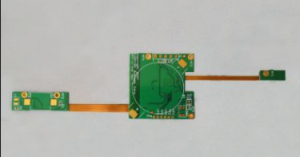
Rigid-flex PCBs have become increasingly popular in the electronics industry due to their ability to provide a more compact and reliable solution for electronic devices.
As technology continues to advance, design software must also evolve to meet the demands of these complex PCB designs.
Altium Designer, a leading PCB design software, has recently released new updates specifically tailored for rigid-flex PCB development.
One of the key features of the latest update is the enhanced support for rigid-flex layer stack management.
Designers can now easily define and manage the layer stack for both rigid and flexible sections of the PCB, ensuring that the design meets the specific requirements of the application.
This new feature streamlines the design process and allows for greater flexibility in creating complex rigid-flex PCBs.
In addition to improved layer stack management, Altium Designer now offers advanced routing capabilities for rigid-flex designs.
Designers can now easily route traces across both rigid and flexible sections of the PCB, ensuring optimal signal integrity and reliability.
The software also provides real-time feedback on design rule violations, helping designers to identify and correct potential issues before they become problematic.
Another notable feature of the latest update is the enhanced 3D visualization capabilities for rigid-flex PCBs.
Designers can now view their designs in a realistic 3D environment, allowing for better visualization of the final product.
This feature is particularly useful for identifying potential clearance issues and ensuring that the design meets the mechanical requirements of the application.
Furthermore, Altium Designer now offers improved documentation tools for rigid-flex PCB designs.
Designers can easily generate comprehensive design documentation, including layer stack diagrams, fabrication drawings, and assembly instructions.
This feature streamlines the manufacturing process and ensures that all stakeholders have access to the necessary information for successful production.
Overall, the latest updates to Altium Designer provide designers with the tools they need to create high-quality rigid-flex PCB designs.
The enhanced layer stack management, advanced routing capabilities, 3D visualization, and improved documentation tools all contribute to a more efficient and reliable design process.
With these new features, designers can confidently tackle even the most complex rigid-flex PCB projects.
In conclusion, the latest updates to Altium Designer offer significant improvements for rigid-flex PCB development.
Designers can take advantage of enhanced layer stack management, advanced routing capabilities, 3D visualization, and improved documentation tools to create high-quality designs that
meet the specific requirements of their applications. As technology continues to advance, it is essential for design software to evolve to meet the demands of complex PCB designs.
Altium Designer’s latest updates demonstrate a commitment to providing designers with the tools they need to succeed in the ever-changing world of electronics design.