
Advancements in Rigid Flex PCB Design
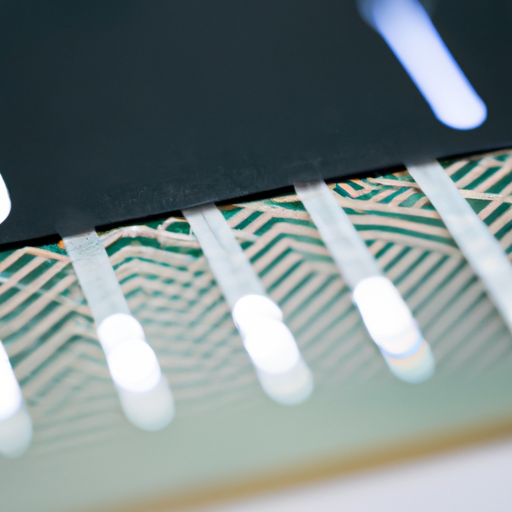
In the world of electronics manufacturing, rigid flex PCBs have become increasingly popular due to their ability to combine the benefits of both rigid and flexible PCBs.
These innovative circuit boards are designed to be more durable and reliable than traditional PCBs, making them ideal for a wide range of applications, from consumer electronics to aerospace and defense systems.
One of the key advancements in rigid flex PCB manufacturing technology is the use of advanced materials.
Manufacturers are now able to use a variety of materials, such as polyimide and FR-4, to create rigid flex PCBs that are more flexible and durable than ever before.
These materials are also able to withstand higher temperatures and harsh environments, making them ideal for use in a wide range of applications.
Another key innovation in rigid flex PCB manufacturing technology is the use of advanced manufacturing techniques.
Manufacturers are now able to produce rigid flex PCBs with tighter tolerances and more complex designs than ever before.
This allows for greater flexibility in the design and layout of the circuit board, making it easier to integrate multiple components and create more compact and efficient electronic devices.
In addition to advanced materials and manufacturing techniques, innovations in rigid flex PCB design software have also played a key role in the development of these advanced circuit boards.
Designers are now able to use sophisticated software tools to create more complex and efficient designs, allowing for greater flexibility and customization in the design process.
This has led to the development of rigid flex PCBs that are more reliable, durable, and efficient than ever before.
One of the key benefits of rigid flex PCBs is their ability to reduce the overall size and weight of electronic devices.
By combining the benefits of rigid and flexible PCBs, manufacturers are able to create circuit boards that are more compact and lightweight, making them ideal for use in portable electronic devices such as smartphones, tablets, and wearable technology.
This has led to a growing demand for rigid flex PCBs in the consumer electronics market, as manufacturers look for ways to create smaller, lighter, and more efficient devices.
Another key benefit of rigid flex PCBs is their ability to improve the reliability and durability of electronic devices.
By using advanced materials and manufacturing techniques, manufacturers are able to create circuit boards that are more resistant to temperature fluctuations, moisture, and mechanical stress.
This makes rigid flex PCBs ideal for use in harsh environments, such as aerospace and defense systems, where reliability and durability are critical.
Overall, the advancements in rigid flex PCB manufacturing technology have revolutionized the electronics industry, allowing for the creation of smaller, lighter, and more reliable electronic devices.
With the continued development of advanced materials, manufacturing techniques, and design software, rigid flex PCBs are likely to become even more prevalent in the future, as manufacturers continue to push the boundaries of what is possible in electronics design and manufacturing.