
Benefits of Using Rigid-Flex PCBs in Wearable Technology
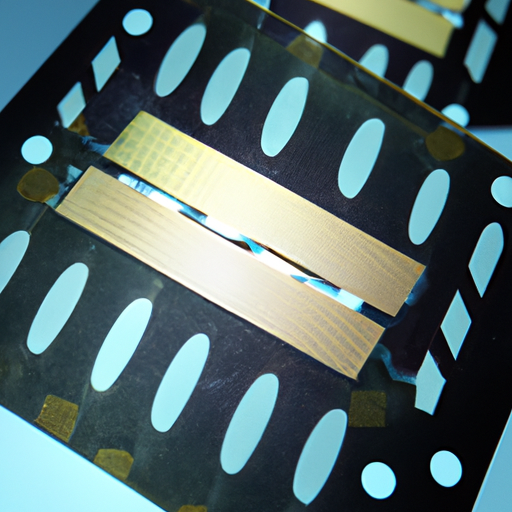
Wearable technology has become increasingly popular in recent years, with devices like smartwatches, fitness trackers, and medical monitoring devices becoming more prevalent in our daily lives.
These devices rely on printed circuit boards (PCBs) to function, and the design of these PCBs plays a crucial role in the performance and durability of the wearable technology.
One of the key innovations in PCB design for wearable technology is the use of rigid-flex PCBs.
Rigid-flex PCBs combine the benefits of both rigid and flexible PCBs, allowing for greater design flexibility and reliability in a compact form factor.
This makes them ideal for use in wearable technology, where space is often limited and durability is essential.
One of the main benefits of using rigid-flex PCBs in wearable technology is their ability to withstand the rigors of daily use.
Traditional rigid PCBs are prone to damage from bending and flexing, which can be a common occurrence in wearable devices. Rigid-flex PCBs, on the other hand, are designed to be more flexible and durable, making them better suited for use in devices that are constantly in motion.
In addition to their durability, rigid-flex PCBs also offer greater design flexibility.
The flexible portions of the PCB can be bent or folded to fit into tight spaces or conform to the shape of the device, allowing for more compact and streamlined designs.
This is particularly important in wearable technology, where space is often at a premium and the design needs to be both functional and aesthetically pleasing.
Another benefit of using rigid-flex PCBs in wearable technology is their reliability.
The flexible portions of the PCB are less prone to fatigue and failure than traditional rigid PCBs, making them more reliable over the long term.
This is crucial in wearable devices, where reliability is essential for accurate data collection and monitoring.
Furthermore, rigid-flex PCBs can also help to reduce the overall weight and size of wearable devices.
By combining the rigid and flexible portions of the PCB into a single unit, designers can create more compact and lightweight devices that are more comfortable to wear for extended periods of time.
This is particularly important in fitness trackers and medical monitoring devices, where user comfort is a key consideration.
Overall, the use of rigid-flex PCBs in wearable technology offers a number of benefits, including increased durability, design flexibility, reliability, and reduced size and weight.
These advantages make rigid-flex PCBs an ideal choice for designers looking to create innovative and high-performance wearable devices that can withstand the demands of daily use.
In conclusion, the innovations in rigid-flex PCB design have revolutionized the field of wearable technology, allowing for more durable, reliable, and compact devices that offer a superior user experience.
As wearable technology continues to evolve and become more integrated into our daily lives, the use of rigid-flex PCBs will play an increasingly important role in shaping the future of this exciting and rapidly growing industry.