
Benefits of Using Rigid Flex PCBs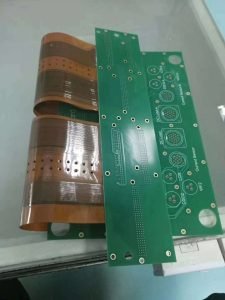
Rigid flex PCBs offer a unique combination of flexibility and durability that make them ideal for a wide range of applications.
These boards are made up of both rigid and flexible materials, allowing them to be bent or twisted without breaking.
This flexibility makes them perfect for use in devices that need to be compact or have complex shapes.
One of the main benefits of using rigid flex PCBs is their ability to reduce the overall size and weight of a device.
By combining the rigid and flexible materials into a single board, designers can eliminate the need for bulky connectors and cables, resulting in a more compact and lightweight product. This can be especially useful in applications where space is limited, such as in medical devices or aerospace equipment.
Another advantage of rigid flex PCBs is their reliability. Because they are made up of multiple layers of materials, these boards are less prone to mechanical failures or damage from vibration or shock. This can be crucial in applications where the device will be subjected to harsh conditions or frequent movement.
In addition to their durability, rigid flex PCBs also offer improved signal integrity. The combination of rigid and flexible materials allows for better control over impedance and signal routing, resulting in reduced signal loss and improved performance. This can be especially important in high-speed applications, such as in telecommunications or data storage devices.
When choosing a rigid flex PCB for your project, there are several factors to consider. One of the most important considerations is the material used in the board. Different materials offer different levels of flexibility, durability, and signal integrity, so it is important to choose a material that meets the specific requirements of your application.
Another factor to consider is the design of the board. Rigid flex PCBs can be designed in a variety of shapes and sizes, so it is important to choose a design that fits the requirements of your device. This may include considerations such as the number of layers, the placement of components, and the routing of signals.
It is also important to consider the manufacturing process used to create the rigid flex PCB. Different manufacturing techniques can affect the quality and reliability of the board, so it is important to choose a manufacturer with experience in producing high-quality rigid flex PCBs.
Overall, rigid flex PCBs offer a number of benefits that make them an attractive option for a wide range of applications.
Their flexibility, durability, and improved signal integrity make them ideal for use in devices where space is limited, reliability is crucial, and performance is key. By carefully considering the material, design, and manufacturing process of the board, you can choose the right rigid flex PCB for your project and ensure its success.