
Benefits of Integrating 5G and IoT Technologies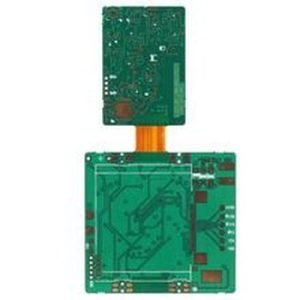
The integration of 5G and IoT technologies is revolutionizing the way we connect and communicate in today’s digital world.
As these technologies continue to advance, the demand for more efficient and reliable solutions is on the rise.
One such solution that is gaining traction in the industry is rigid-flex PCBs.
Rigid-flex PCBs offer a unique combination of flexibility and durability, making them ideal for applications that require both.
With the increasing adoption of 5G and IoT technologies, the need for compact and lightweight solutions that can withstand the demands of these high-speed networks is becoming more critical.
One of the key benefits of integrating 5G and IoT technologies with rigid-flex PCBs is the ability to create more compact and lightweight devices.
The flexibility of rigid-flex PCBs allows for greater design flexibility, enabling manufacturers to create smaller and more streamlined products.
This is particularly important in applications where space is limited, such as in wearable devices or IoT sensors.
In addition to their compact size, rigid-flex PCBs also offer improved reliability and durability.
The rigid sections of the PCB provide structural support, while the flexible sections allow for greater flexibility and resilience to bending and twisting.
This makes rigid-flex PCBs ideal for applications that require high reliability and durability, such as in automotive, aerospace, and medical devices.
Another benefit of integrating 5G and IoT technologies with rigid-flex PCBs is the ability to achieve higher data transfer speeds and lower latency.
5G networks offer significantly faster data speeds compared to previous generations, enabling real-time communication and data processing.
By using rigid-flex PCBs, manufacturers can ensure that their devices can keep up with the demands of these high-speed networks, delivering a seamless and responsive user experience.
Furthermore, the integration of 5G and IoT technologies with rigid-flex PCBs can also lead to cost savings and improved efficiency.
By consolidating multiple PCBs into a single rigid-flex design, manufacturers can reduce the overall size and weight of their devices, leading to lower production costs and improved energy efficiency.
This can be particularly beneficial in applications where space and power consumption are critical factors, such as in IoT sensors or mobile devices.
Overall, the integration of 5G and IoT technologies with rigid-flex PCBs offers a wide range of benefits for manufacturers looking to stay ahead in today’s fast-paced digital landscape.
From compact size and improved reliability to higher data transfer speeds and cost savings, rigid-flex solutions are proving to be a valuable asset for companies looking to capitalize on the opportunities presented by these emerging technologies.
As the demand for more efficient and reliable solutions continues to grow, it is clear that rigid-flex PCBs will play a key role in driving the adoption of 5G and IoT technologies across a wide range of industries.
By leveraging the unique capabilities of rigid-flex PCBs, manufacturers can create innovative and cutting-edge products that meet the demands of today’s connected world.