
High-Density Rigid-Flex PCBs for IoT Edge Nodes with TinyML Capabilities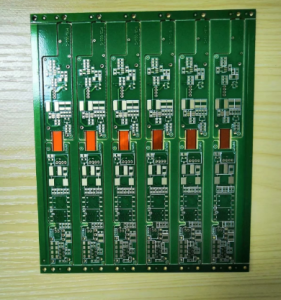
High-density rigid-flex PCBs are revolutionizing the design and functionality of IoT edge nodes equipped with TinyML capabilities.
This technological synergy is unlocking new possibilities in various sectors, from smart agriculture to health monitoring, enhancing device performance and reliability.
The integration of these advanced PCBs is crucial for developers looking to maximize efficiency and minimize space while maintaining high performance.
Understanding Rigid-Flex PCBs
Rigid-flex PCBs combine the best features of both rigid and flexible circuits.
These boards are composed of multiple layers that can bend and twist, allowing for greater design freedom and compactness.
The flexibility of these circuits makes them ideal for applications in constrained spaces, particularly within IoT edge nodes, where size and weight are critical factors.
Advantages of High-Density Configuration
The term “high-density” refers to the ability to fit a larger number of components into a smaller area without compromising performance.
High-density rigid-flex PCBs leverage advanced manufacturing techniques, such as microvias and thin materials, to achieve compact designs.
This density provides several advantages:
- Space Efficiency: By minimizing the footprint of electronic components, these boards can be tucked into smaller devices, facilitating the development of lighter and more portable IoT solutions.
- Enhanced Performance: With higher densities, signal integrity improves, resulting in faster data processing.
This is essential for applications that require real-time data analytics, such as those involving TinyML algorithms. - Thermal Management: High-density designs often provide better thermal management capabilities, critical for maintaining optimal performance in edge computing devices, which can generate significant heat.
The Role of TinyML in IoT
TinyML is a subset of machine learning techniques designed to function on resource-limited devices.
It enables the execution of machine learning workloads on small microcontrollers and processors, making it ideal for applications in IoT.
The combination of high-density rigid-flex PCBs and TinyML can transform the capabilities of edge nodes in several ways:
Real-Time Data Analytics
By employing TinyML algorithms, IoT edge nodes can process data at the source rather than sending it to the cloud for analysis.
This local processing reduces latency and enhances responsiveness, which is vital for applications such as predictive maintenance in industrial settings or instant health monitoring in wearables.
Energy Efficiency
TinyML is designed to minimize power consumption, making it feasible to integrate machine learning on battery-operated devices.
High-density rigid-flex PCBs contribute to this energy efficiency by supporting compact components that can execute complex algorithms without drawing excessive power.
Applications in Various Industries
The integration of high-density rigid-flex PCBs with TinyML capabilities has accelerated advancements across various industries.
Here are a few notable applications:
Smart Agriculture
IoT edge nodes equipped with TinyML algorithms can analyze data from environmental sensors in real-time to optimize irrigation and fertilization processes.
High-density rigid-flex PCBs enable the miniaturization of these devices, making them practical for deployment in the field without taking up significant space.
Health Monitoring
Wearable devices that continuously track vital signs rely on high-density rigid-flex PCBs for compact design and efficient data processing using TinyML.
These devices can analyze trends in heart rate or blood oxygen levels on-site, providing users with immediate feedback and alerts.
Industrial Automation
In factories, IoT edge nodes powered by TinyML can monitor machinery, predict failures, and facilitate proactive maintenance.
High-density rigid-flex PCBs are essential here, allowing for more sensors to be embedded in tight spaces, improving overall system responsiveness and reliability.
Challenges and Future Directions
While the benefits of high-density rigid-flex PCBs used in IoT edge nodes with TinyML capabilities are substantial, there are challenges to consider.
Manufacturing complexities, increased costs, and the need for specialized skills can impede broader adoption.
However, ongoing research and development in PCB technology promise to address these issues, paving the way for even more sophisticated applications in the future.
Moreover, as the demand for more intelligent IoT devices grows, the collaboration between PCB designers and machine learning engineers will likely become even more crucial.
Together, they can optimize designs for performance, energy efficiency, and space utilization.
Conclusion
High-density rigid-flex PCBs are critical enablers of IoT edge nodes equipped with TinyML capabilities.
Their unique combination of flexibility and compactness opens the door to numerous innovative applications across various industries, creating smarter and more efficient solutions.
As technology advances, the synergy between these components will become increasingly vital, driving the next wave of IoT innovation.