
Hermetically Sealed Nano-Porous Rigid-Flex: Enhancing Chronic Implant Reliability
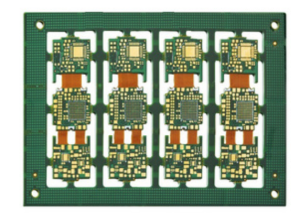
Hermetically sealed nano-porous rigid-flex designs are becoming increasingly integral in the realm of chronic implants, offering significant advancements in reliability and performance.
As medical technology continues to evolve, the longevity and resilience of implants are paramount for patient safety and comfort.
This article will explore the unique advantages of this innovative approach and how it is transforming the landscape of chronic healthcare solutions.
Understanding Hermetic Sealing
The term “hermetically sealed” refers to a method of sealing that creates an airtight barrier, preventing the ingress of moisture, dust, and other environmental contaminants.
In the context of chronic implants, such as pacemakers or neurostimulators, hermetic sealing plays a crucial role in maintaining the functionality and integrity of the device over extended periods.
This is particularly important given that many of these implants are designed to remain within the body for years, if not decades.
The Role of Nano-Porous Materials
Nano-porous materials are characterized by their minuscule, intricate structures, which are designed to enhance the properties of the base material without adding considerable weight or volume.
When applied to rigid-flex circuits—which combine flexible and rigid printed circuit board technology—these materials provide high strength while allowing for essential flexibility and adaptability in challenging environments.
The unique architecture of nano-porous materials facilitates excellent integration with electronic components, enabling more reliable performance.
Additionally, their inherent properties help in reducing the risk of moisture infiltration, which can lead to device failure over time.
Benefits of Rigid-Flex Circuits in Chronic Implants
Rigid-flex technology holds unique advantages for chronic implants. Here are some of the key benefits:
- Compact Design: Rigid-flex circuits allow for more compact designs, which means the overall size of the implant can be minimized.
This is crucial for patient comfort, as smaller implants reduce the risk of discomfort or adverse reactions from surrounding tissues. - Weight Reduction: The combination of rigid and flexible materials facilitates a lighter design without compromising structural integrity.
This is particularly important for implants, which need to be durable yet unobtrusive. - Enhanced Performance: The synergy of rigid and flexible components improves signal integrity and electrical performance.
This is essential for devices that rely on accurate sensor data or require real-time monitoring capabilities. - Adaptability: The flexibility of the circuits allows for custom shapes and configurations, making it easier to implant devices within the human body, particularly in challenging anatomical locations.
Reliability and Longevity
Reliability is a crucial aspect of chronic implants. Patients often rely on these devices for vital functions, and any failure could lead to serious health complications.
By utilizing hermetically sealed nano-porous rigid-flex technology, manufacturers can enhance the lifespan of these implants significantly.
- Protection Against Corrosion: Hermetically sealed designs prevent exposure to bodily fluids, reducing the risk of electrochemical corrosion that can degrade the components over time.
- Temperature Stability: The nano-porous nature of the materials allows for effective thermal management.
Chronic implants often experience fluctuations in temperature, and maintaining a consistent operating range is essential for reliability. - Improved Biocompatibility: Advanced materials and sealing techniques have enhanced biocompatibility, reducing adverse reactions within the body.
This leads to a lower rate of rejection and a higher success rate for implantable devices.
Future Directions in Implant Technology
As research and development continue in the field of biomedical engineering, the integration of hermetically sealed nano-porous rigid-flex technology is likely to expand.
Areas for future exploration include:
- Smart Implants: Incorporating advanced sensors and wireless communication capabilities can turn chronic implants into smart devices that actively monitor and adjust to the patient’s needs.
- Personalized Medicine: The adaptability of rigid-flex circuits allows for patient-customized implants that can cater to individual anatomical variations or health requirements.
- Sustainability: Future developments may focus on utilizing bio-degradable materials in conjunction with hermetic sealing, providing an eco-friendly solution for chronic healthcare devices.
Conclusion
Hermetically sealed nano-porous rigid-flex technology is paving the way for increased reliability in chronic implants.
By combining the benefits of hermetic sealing with the innovative properties of nano-porous materials and rigid-flex circuits,
the medical field is moving closer to devices that not only last longer but also improve the quality of life for patients.
As this technology continues to evolve, the future holds promising advancements that could revolutionize chronic healthcare, ensuring better outcomes and enhanced patient experiences.