
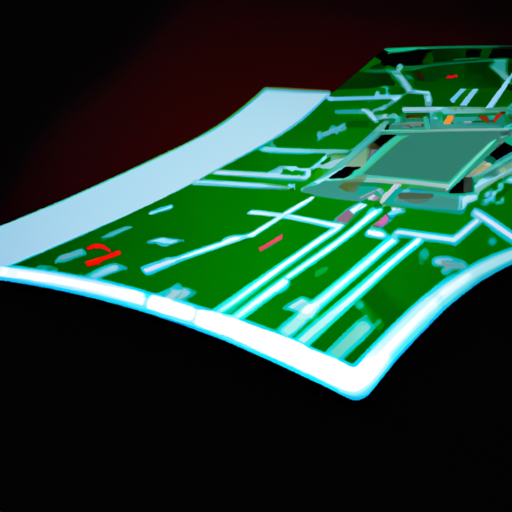
The Internet of Things (IoT) and automotive industries are rapidly evolving, with a growing demand for more advanced and efficient technologies. One key component that is driving innovation in these sectors is rigid-flex PCB technology. Rigid-flex PCBs offer a unique combination of flexibility and durability, making them ideal for applications where space is limited and reliability is crucial.
One of the main benefits of rigid-flex PCB technology is its ability to reduce the overall size and weight of electronic devices. By combining rigid and flexible PCBs into a single unit, designers can create compact and lightweight solutions that are perfect for IoT devices and automotive applications. This not only helps to save space but also improves the overall performance of the device by reducing signal interference and improving signal integrity.
In addition to size and weight savings, rigid-flex PCBs also offer improved reliability and durability compared to traditional PCBs. The flexible portions of the PCB are designed to withstand bending and flexing without compromising the integrity of the circuit. This makes rigid-flex PCBs ideal for applications where the device may be subjected to vibrations, shocks, or other harsh conditions, such as automotive electronics or wearable IoT devices.
Another key benefit of rigid-flex PCB technology is its ability to simplify the assembly process. By integrating multiple PCBs into a single unit, designers can reduce the number of interconnects and solder joints, which can help to improve the overall reliability of the device. This also helps to reduce the overall cost of manufacturing, as fewer components and connections are required.
Furthermore, rigid-flex PCB technology offers greater design flexibility compared to traditional PCBs. Designers can create complex and intricate layouts that would be difficult or impossible to achieve with rigid PCBs alone. This allows for more creative and innovative designs, which can help to differentiate products in a competitive market.
Looking ahead, the future of rigid-flex PCB technology in IoT and automotive applications looks promising. As the demand for smaller, lighter, and more reliable electronic devices continues to grow, rigid-flex PCBs will play an increasingly important role in meeting these requirements. Advances in materials and manufacturing processes are also driving innovation in rigid-flex PCB technology, making it easier and more cost-effective to produce these advanced PCBs.
In conclusion, rigid-flex PCB technology offers a wide range of benefits for IoT and automotive applications. From size and weight savings to improved reliability and design flexibility, rigid-flex PCBs are helping to drive innovation in these rapidly evolving industries. As technology continues to advance, we can expect to see even more exciting developments in rigid-flex PCB technology that will further enhance the performance and capabilities of electronic devices in the future.