
Benefits of Using Flexible Rigid Flex PCBs in Electronic Devices
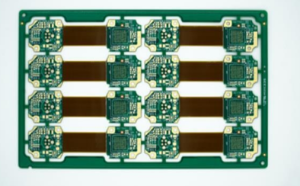
Flexible rigid flex PCBs have revolutionized the world of electronic devices, offering a wide range of benefits that traditional rigid PCBs simply cannot match. These innovative circuit boards combine the flexibility of flexible PCBs with the rigidity of rigid PCBs, resulting in a versatile solution that is ideal for a variety of applications.
One of the key benefits of using flexible rigid flex PCBs is their ability to save space in electronic devices. Traditional rigid PCBs are limited by their flat, inflexible design, which can make it difficult to fit them into compact devices. Flexible rigid flex PCBs, on the other hand, can be bent and folded to fit into tight spaces, allowing for more efficient use of space within a device.
In addition to saving space, flexible rigid flex PCBs also offer improved reliability compared to traditional rigid PCBs.
The flexible sections of these circuit boards help to absorb shock and vibration, reducing the risk of damage to the board and the components mounted on it. This increased durability makes flexible rigid flex PCBs an ideal choice for electronic devices that are subjected to harsh environments or frequent movement.
Another benefit of using flexible rigid flex PCBs is their ability to reduce assembly time and costs.
Because these circuit boards can be bent and folded, they can be designed to fit the specific shape of a device, eliminating the need for additional connectors and cables. This streamlined design not only reduces the number of components that need to be assembled, but also simplifies the manufacturing process, resulting in lower production costs.
Flexible rigid flex PCBs also offer improved signal integrity compared to traditional rigid PCBs.
The flexible sections of these circuit boards help to reduce signal interference and crosstalk, resulting in cleaner, more reliable signals.This improved signal integrity is especially important in high-speed electronic devices, where even small amounts of interference can cause significant performance issues.
Furthermore, flexible rigid flex PCBs offer increased design flexibility compared to traditional rigid PCBs. Designers have the freedom to create complex, three-dimensional shapes with these circuit boards, allowing for more creative and innovative designs. This flexibility opens up a world of possibilities for electronic device manufacturers, enabling them to create products that are both functional and aesthetically pleasing.
Overall, the benefits of using flexible rigid flex PCBs in electronic devices are clear.
From saving space and reducing assembly time to improving reliability and signal integrity, these innovative circuit boards offer a wide range of advantages that traditional rigid PCBs simply cannot match. As technology continues to evolve, flexible rigid flex PCBs will undoubtedly play a key role in shaping the future of electronic devices.