
Benefits of Incorporating Flexibility in Rigid-Flexible PCB Design
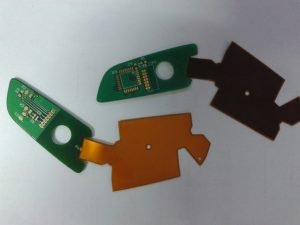
Flexibility in rigid-flexible PCB design offers a myriad of benefits that can greatly enhance the performance and reliability of electronic devices.
By incorporating flexible elements into the design of a PCB, engineers can create products that are more durable, lightweight, and compact. In this article, we will explore some of the key advantages of incorporating flexibility in rigid-flexible PCB design.
One of the primary benefits of using flexible materials in PCB design is the ability to create products that are more resistant to mechanical stress.
Traditional rigid PCBs are prone to cracking and breaking when subjected to bending or twisting forces. By integrating flexible elements into the design, engineers can create PCBs that can withstand a greater degree of mechanical stress without compromising performance.
Flexibility in PCB design also allows for greater design freedom, enabling engineers to create products that are more compact and lightweight.
By eliminating the need for bulky connectors and cables, flexible PCBs can be integrated into smaller and more streamlined devices.
This not only reduces the overall size and weight of the product but also improves its aesthetics and ergonomics.
Another key advantage of incorporating flexibility in rigid-flexible PCB design is improved reliability. Flexible materials are less prone to fatigue and cracking than rigid materials, making them more durable and long-lasting. This can result in a significant reduction in maintenance and repair costs over the lifespan of the product.
Flexibility in PCB design also offers greater design flexibility, allowing engineers to create products that are more versatile and adaptable to changing requirements. By using flexible materials, engineers can easily incorporate additional features and functionalities into the design without the need for major redesigns. This can result in faster time-to-market and a more competitive product offering.
In addition to these benefits, flexibility in rigid-flexible PCB design also offers improved signal integrity and electrical performance.
Flexible materials have lower dielectric constants and lower signal loss compared to rigid materials, resulting in better signal transmission and reduced electromagnetic interference. This can lead to improved overall performance and reliability of the product.
Overall, the benefits of incorporating flexibility in rigid-flexible PCB design are numerous and significant.
From improved mechanical stress resistance and design freedom to enhanced reliability and signal integrity, flexible PCBs offer a range of advantages that can greatly enhance the performance and reliability of electronic devices. By leveraging the unique properties of flexible materials, engineers can create products that are more durable, lightweight, compact, and versatile, ultimately leading to a more competitive and successful product offering.