
Benefits of Rigid-Flex PCBs
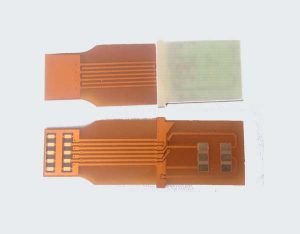
Flexibility and reliability are two key factors to consider when designing printed circuit boards (PCBs) for electronic devices. Rigid-flex PCBs offer a unique solution that combines the benefits of both rigid and flexible PCBs, providing a versatile and reliable option for a wide range of applications.
One of the main advantages of rigid-flex PCBs is their ability to bend and flex without compromising the integrity of the circuit.
This flexibility allows for more compact and lightweight designs, making them ideal for devices with space constraints or complex form factors.
In addition, the ability to bend and flex reduces the need for connectors and cables, which can improve reliability and reduce the risk of signal interference.
Another benefit of rigid-flex PCBs is their reliability.
Traditional rigid PCBs are prone to mechanical stress and vibration, which can lead to solder joint failures and other issues.
Rigid-flex PCBs, on the other hand, are designed to withstand these challenges, making them more durable and reliable in harsh environments.
This increased reliability can result in lower maintenance costs and longer product lifespans, making rigid-flex PCBs a cost-effective choice for many applications.
In addition to their flexibility and reliability, rigid-flex PCBs offer other benefits as well.
For example, they can reduce assembly time and costs by eliminating the need for multiple PCBs and connectors.
This can streamline the manufacturing process and improve overall efficiency.
Rigid-flex PCBs also offer improved signal integrity and EMI/RFI shielding, which can help prevent signal interference and ensure optimal performance.
Overall, the benefits of rigid-flex PCBs make them a popular choice for a wide range of applications, including medical devices, aerospace systems, automotive electronics, and more.
Their unique combination of flexibility and reliability makes them an ideal solution for devices that require high performance in challenging environments.
In conclusion, rigid-flex PCBs offer a number of benefits that make them a versatile and reliable option for electronic device design.
Their ability to bend and flex without compromising the integrity of the circuit, combined with their durability and reliability, make them an attractive choice for a wide range of applications.
Whether you are designing a compact wearable device or a rugged industrial system, rigid-flex PCBs can provide the flexibility and reliability you need to bring your design to life.