
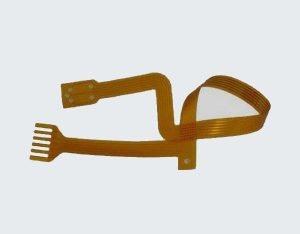
Printed circuit boards (PCBs) are essential components in electronic devices, providing the necessary connections for various electronic components to communicate with each other. When it comes to PCBs, there are three main types: flex PCBs, rigid PCBs, and rigid-flex PCBs. Each type has its own set of benefits and applications, but in this article, we will focus on the benefits of flex PCBs.
Flex PCBs, also known as flexible PCBs or flex circuits, are designed to be flexible and bendable, unlike rigid PCBs which are inflexible and cannot be bent. This flexibility allows for greater design freedom and versatility in electronic devices. Flex PCBs are made of a flexible substrate material, such as polyimide or polyester, which allows them to bend and conform to the shape of the device they are installed in.
One of the key benefits of flex PCBs is their ability to reduce space and weight in electronic devices. Because flex PCBs can be bent and folded, they can be used in compact and tight spaces where rigid PCBs would not fit. This makes flex PCBs ideal for small and portable devices, such as smartphones, tablets, and wearables, where space and weight are critical considerations.
Another benefit of flex PCBs is their reliability and durability. Flex PCBs are less prone to mechanical stress and vibration compared to rigid PCBs, as they can flex and bend without breaking. This makes flex PCBs ideal for applications where the PCB may be subject to bending or twisting, such as in automotive, aerospace, and medical devices.
Flex PCBs also offer improved signal integrity and electrical performance compared to rigid PCBs. The flexible substrate material used in flex PCBs has excellent dielectric properties, which help to minimize signal loss and interference. This results in better signal quality and reliability in electronic devices, making flex PCBs a preferred choice for high-speed and high-frequency applications.
In addition to their technical benefits, flex PCBs also offer cost savings and faster time-to-market for electronic device manufacturers. Flex PCBs can be manufactured using automated processes, which reduces labor costs and production time. The flexibility of flex PCBs also allows for easier assembly and installation in electronic devices, further reducing manufacturing costs and time.
Overall, flex PCBs offer a wide range of benefits that make them an attractive choice for electronic device manufacturers. Their flexibility, space-saving design, reliability, signal integrity, and cost-effectiveness make them ideal for a variety of applications, from consumer electronics to industrial and medical devices.
In conclusion, flex PCBs are a versatile and reliable option for electronic device manufacturers looking to optimize space, weight, performance, and cost in their products. With their unique design and benefits, flex PCBs are sure to continue playing a key role in the advancement of electronic devices in the future.