
Benefits of Using Flex Rigid PCBs in Renewable Energy Systems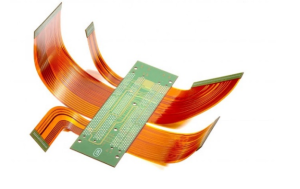
Flex rigid PCBs, or flexible printed circuit boards, are becoming increasingly popular in the renewable energy industry due to their numerous benefits.
These innovative circuit boards offer a unique combination of flexibility and rigidity, making them ideal for use in a wide range of applications, including solar panels, wind turbines, and energy storage systems.
In this article, we will explore the benefits of using flex rigid PCBs in renewable energy systems.
One of the key advantages of flex rigid PCBs is their ability to withstand harsh environmental conditions.
Renewable energy systems are often exposed to extreme temperatures, moisture, and vibration, which can cause traditional rigid PCBs to fail.
Flex rigid PCBs, on the other hand, are designed to be more durable and reliable, making them well-suited for use in outdoor environments.
In addition to their durability, flex rigid PCBs also offer greater design flexibility. Traditional rigid PCBs are limited in terms of shape and size, which can be a significant constraint when designing complex renewable energy systems. Flex rigid PCBs, however, can be bent, twisted, and folded to fit into tight spaces and accommodate unique shapes, allowing for more efficient and compact designs.
Furthermore, flex rigid PCBs are lighter and more compact than traditional rigid PCBs, making them ideal for use in portable and mobile renewable energy systems.
This can be particularly advantageous for applications such as solar-powered backpacks, portable wind turbines, and off-grid energy storage systems, where weight and size are critical factors.
Another benefit of using flex rigid PCBs in renewable energy systems is their cost-effectiveness. While flex rigid PCBs may have a higher initial cost compared to traditional rigid PCBs, their durability and reliability can result in long-term savings by reducing maintenance and replacement costs. Additionally, the flexibility and design versatility of flex rigid PCBs can help to streamline the manufacturing process and reduce overall production costs.
Flex rigid PCBs also offer improved signal integrity and electrical performance compared to traditional rigid PCBs. The flexible nature of these circuit boards allows for tighter routing of traces and vias, reducing signal loss and improving overall system efficiency. This can be particularly important in renewable energy systems, where precise control and monitoring of electrical signals are essential for optimal performance.
In conclusion, flex rigid PCBs offer a wide range of benefits for use in renewable energy systems. From their durability and design flexibility to their cost-effectiveness and improved electrical performance, these innovative circuit boards are helping to drive the advancement of renewable energy technologies. As the demand for clean and sustainable energy continues to grow, flex rigid PCBs will play an increasingly important role in powering the future of renewable energy.