
Benefits of Using Flex Rigid PCBs in IoT Devices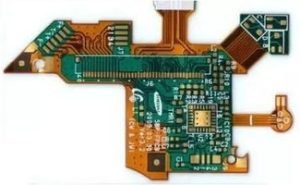
In the rapidly evolving world of Internet of Things (IoT) devices, flexibility and durability are key factors in ensuring the success of a product. Flex rigid PCBs, or flexible printed circuit boards, have emerged as a popular choice for manufacturers looking to create innovative and reliable IoT devices. These PCBs offer a unique combination of flexibility and rigidity, making them ideal for a wide range of applications in the IoT industry.
One of the primary benefits of using flex rigid PCBs in IoT devices is their ability to withstand the rigors of everyday use. Traditional rigid PCBs are prone to damage from bending or twisting, which can be a common occurrence in portable or wearable IoT devices. Flex rigid PCBs, on the other hand, are designed to be more flexible and resilient, making them better suited for devices that need to be able to bend or flex without breaking.
Another advantage of using flex rigid PCBs in IoT devices is their compact size and lightweight design. These PCBs can be manufactured to be thinner and more lightweight than traditional rigid PCBs, making them ideal for devices where space is at a premium. This allows manufacturers to create smaller and more portable IoT devices without sacrificing performance or reliability.
Flex rigid PCBs also offer greater design flexibility compared to traditional rigid PCBs. Because they can be bent or twisted to fit into tight spaces, manufacturers have more freedom to design innovative and creative IoT devices. This flexibility in design can lead to more compact and efficient devices that are better able to meet the needs of consumers.
In addition to their flexibility and durability, flex rigid PCBs also offer improved signal integrity and reliability. The flexible nature of these PCBs allows for better signal transmission and reduced signal loss, resulting in more reliable and consistent performance in IoT devices. This is especially important in devices that rely on wireless communication or sensors, where signal integrity is crucial for accurate data transmission.
Furthermore, flex rigid PCBs are also more cost-effective in the long run. While the initial manufacturing costs may be slightly higher than traditional rigid PCBs, the durability and reliability of flex rigid PCBs can lead to lower maintenance and replacement costs over time. This can result in significant savings for manufacturers and consumers alike, making flex rigid PCBs a smart investment for IoT devices.
Overall, the benefits of using flex rigid PCBs in IoT devices are clear. From their flexibility and durability to their compact size and improved signal integrity, these PCBs offer a range of advantages that make them an ideal choice for manufacturers looking to create innovative and reliable IoT devices. With the continued growth of the IoT industry, flex rigid PCBs are sure to play a key role in shaping the future of connected devices.