
Benefits of Using Flex Rigid PCBs for High-Speed Data Transmission Applications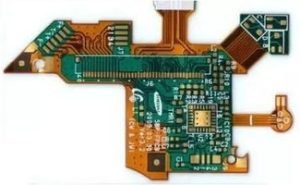
Flex rigid PCBs, also known as flexible printed circuit boards, are becoming increasingly popular in high-speed data transmission applications due to their numerous benefits.
These PCBs offer a unique combination of flexibility and rigidity, making them ideal for applications where space is limited and where the board needs to be bent or twisted to fit into a specific form factor.
In this article, we will explore the benefits of using flex rigid PCBs for high-speed data transmission applications.
One of the key advantages of flex rigid PCBs is their ability to reduce signal loss and impedance mismatch.
In high-speed data transmission applications, signal integrity is crucial to ensure that data is transmitted accurately and efficiently.
Flex rigid PCBs are designed to minimize signal loss by providing a controlled impedance environment for high-speed signals. This helps to maintain signal integrity and reduce the risk of data errors or corruption.
Another benefit of using flex rigid PCBs for high-speed data transmission applications is their ability to reduce electromagnetic interference (EMI). EMI can disrupt the transmission of data signals and lead to errors or data loss.
Flex rigid PCBs are designed to minimize EMI by providing a shielded environment for high-speed signals.
This helps to improve the overall performance and reliability of the data transmission system.
Flex rigid PCBs also offer a high level of design flexibility, allowing engineers to create custom layouts and configurations to meet the specific requirements of their application.
This flexibility is particularly useful in high-speed data transmission applications where space is limited and where the board needs to be bent or twisted to fit into a specific form factor.
Flex rigid PCBs can be designed to accommodate complex layouts and tight spaces, making them ideal for applications where traditional rigid PCBs may not be suitable.
In addition to their design flexibility, flex rigid PCBs are also highly reliable and durable. These PCBs are designed to withstand harsh environmental conditions, such as temperature fluctuations, moisture, and vibration.
This makes them ideal for high-speed data transmission applications that require a high level of reliability and performance.
Furthermore, flex rigid PCBs offer cost savings compared to traditional rigid PCBs. While the initial cost of flex rigid PCBs may be higher, the long-term benefits of improved signal integrity, reduced EMI, and increased reliability can result in significant cost savings over time. Additionally, the design flexibility of flex rigid PCBs can help to reduce the overall size and weight of the data transmission system, further reducing costs associated with materials and manufacturing.
In conclusion, flex rigid PCBs offer numerous benefits for high-speed data transmission applications. From improved signal integrity and reduced EMI to design flexibility and cost savings, these PCBs are an ideal choice for engineers looking to optimize the performance and reliability of their data transmission systems. With their unique combination of flexibility and rigidity, flex rigid PCBs are sure to continue to play a key role in the advancement of high-speed data transmission technology.