
Benefits of Using Flex Rigid PCBs in Consumer Electronics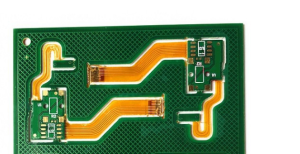
Flex rigid PCBs, or flexible printed circuit boards, have become increasingly popular in the consumer electronics industry due to their numerous benefits. These innovative circuit boards offer a combination of flexibility and rigidity, making them ideal for a wide range of applications in devices such as smartphones, tablets, wearables, and more. In this article, we will explore the advantages of using flex rigid PCBs in consumer electronics and why they are a preferred choice for manufacturers.
One of the key benefits of flex rigid PCBs is their ability to save space in electronic devices. Traditional rigid PCBs are limited by their fixed shape and size, which can be a challenge when designing compact and slim devices. Flex rigid PCBs, on the other hand, can be bent and folded to fit into tight spaces, allowing for more efficient use of available space within a device. This flexibility in design not only helps to reduce the overall size of the device but also enables manufacturers to create more innovative and sleek designs.
In addition to saving space, flex rigid PCBs also offer improved reliability and durability compared to traditional rigid PCBs. The flexible nature of these circuit boards allows them to withstand bending, twisting, and vibration, making them more resistant to mechanical stress and environmental factors. This increased durability helps to extend the lifespan of electronic devices and reduce the likelihood of circuit board failure, ultimately leading to a more reliable product for consumers.
Furthermore, flex rigid PCBs offer enhanced signal integrity and electrical performance. The flexible design of these circuit boards allows for shorter signal paths and reduced electromagnetic interference, resulting in improved signal quality and faster data transmission speeds. This is particularly important in high-speed electronic devices such as smartphones and tablets, where reliable connectivity and fast data transfer are essential for optimal performance.
Another advantage of using flex rigid PCBs in consumer electronics is their cost-effectiveness. While the initial manufacturing cost of flex rigid PCBs may be slightly higher than traditional rigid PCBs, the overall cost savings can be significant in the long run. The space-saving design of flex rigid PCBs can lead to reduced material and assembly costs, as well as lower maintenance and repair expenses due to their increased durability. This cost-effectiveness makes flex rigid PCBs a practical choice for manufacturers looking to optimize their production processes and reduce overall manufacturing costs.
In conclusion, flex rigid PCBs offer a wide range of benefits for consumer electronics manufacturers, including space-saving design, improved reliability and durability, enhanced signal integrity, and cost-effectiveness. These innovative circuit boards have revolutionized the way electronic devices are designed and manufactured, allowing for more compact, reliable, and high-performance products to be brought to market. As consumer demand for smaller, faster, and more reliable electronic devices continues to grow, flex rigid PCBs will undoubtedly play a crucial role in shaping the future of consumer electronics.